Artists Embrace NFTs for Digital Collectibles Boom: New Platforms Reshape the Digital Art Market
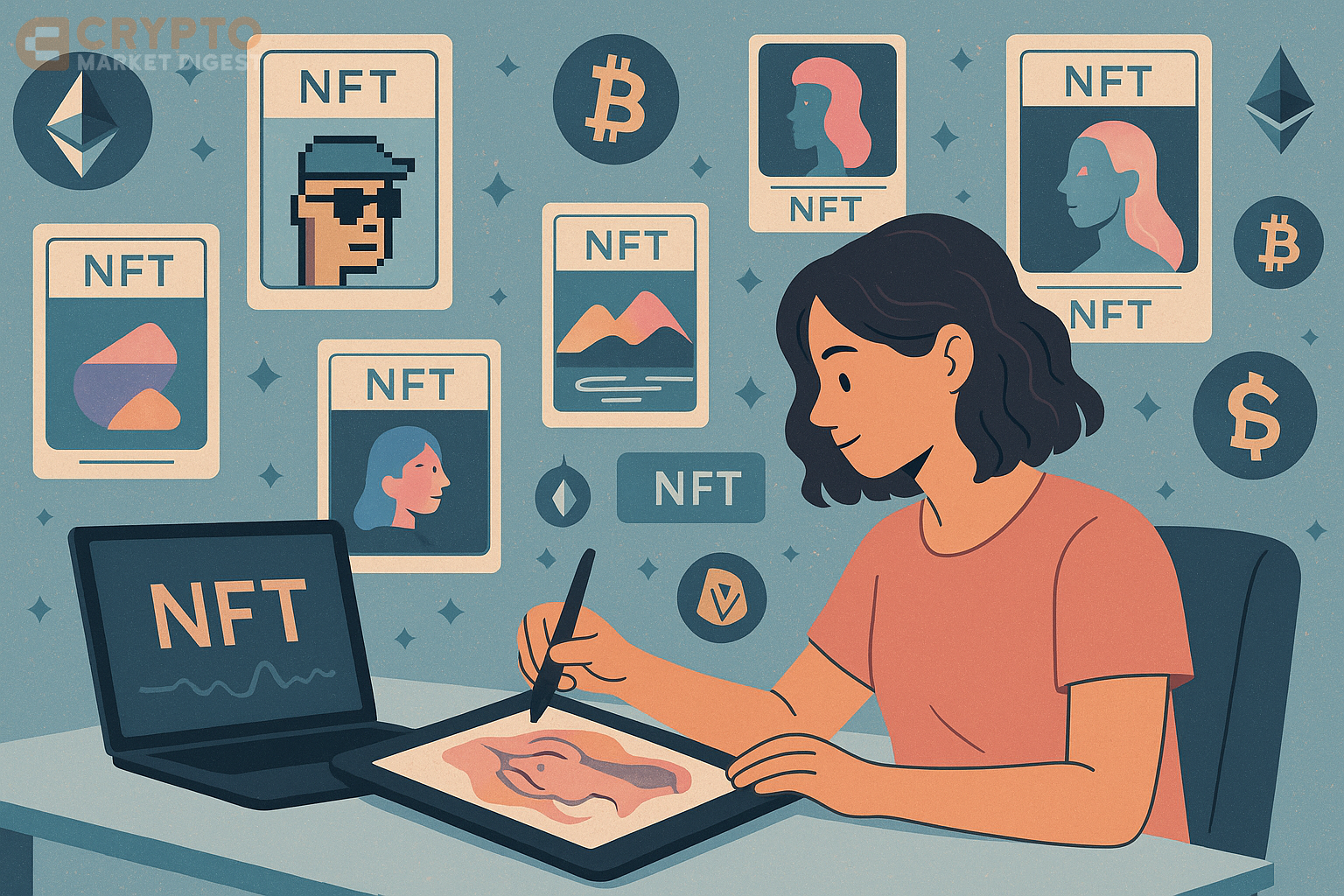
In a significant shift that’s transforming the digital art landscape, artists worldwide are increasingly turning to non-fungible tokens (NFTs) as the digital collectibles market experiences unprecedented growth entering 2024. This renaissance in digital art ownership comes as new platforms emerge with artist-friendly features and mainstream adoption continues to expand despite previous market volatility.
The New Wave of NFT Adoption
The digital collectibles space is witnessing a remarkable resurgence as artists who previously hesitated to enter the NFT market are now embracing the technology with newfound enthusiasm. Unlike the speculative frenzy that characterized earlier NFT booms, this latest wave appears more sustainable, focusing on genuine artistic merit and utility rather than purely speculative value.
“What we’re seeing now is fundamentally different from 2021,” explains Maya Chen, digital art curator and founder of ArtBlocks Digital. “Artists are approaching NFTs with more sophistication and purpose. They’re thinking about building lasting connections with collectors rather than just making quick sales.”
This shift comes as overall NFT trading volume has increased by 37% in the fourth quarter of 2023, according to data from DappRadar, with momentum carrying strongly into January 2024.
Artist-Centric Platforms Lead the Way
A key driver behind this renewed interest is the emergence of platforms specifically designed to address artists’ previous concerns about environmental impact, technical barriers, and fair compensation.
EcoCanvas, launched in December 2023, has quickly gained traction by offering artists a carbon-neutral minting process while maintaining reasonable gas fees. The platform utilizes layer-2 scaling solutions on Ethereum, significantly reducing energy consumption compared to traditional NFT minting processes.
“I couldn’t justify participating in the earlier NFT boom because of the environmental concerns,” says digital artist Tomas Rodriguez, whose collection “Quantum Landscapes” launched on EcoCanvas this month. “Now with platforms like EcoCanvas, I can connect with collectors directly while aligning with my environmental values.”
Similarly, CreatorFirst has attracted thousands of artists since its beta launch in November 2023 by implementing a unique royalty enforcement mechanism that ensures artists receive ongoing compensation when their works are resold on secondary markets.
Mainstream Adoption Accelerates
The NFT renaissance isn’t limited to independent artists and specialized platforms. Major brands and institutions are increasingly incorporating digital collectibles into their engagement strategies, bringing NFTs to mainstream audiences who might not otherwise engage with cryptocurrency technology.
The Metropolitan Museum of Art announced its first official NFT collection on January 5, featuring digital renditions of selected works from its permanent collection. The initiative aims to both generate additional revenue streams and engage digital-native audiences.
“Cultural institutions are recognizing that NFTs offer more than just a funding mechanism—they’re a new medium for audience engagement,” notes Dr. Samantha Williams, digital strategy director at the museum. “We’re creating digital experiences that complement our physical exhibitions while reaching people who may never visit New York.”
In the entertainment sector, Netflix has partnered with blockchain platform Flow to release limited edition collectibles tied to its most popular original series. These NFTs offer exclusive content and experiences rather than simply serving as digital merchandise.
Beyond Profile Pictures: Expanding Utility
Unlike earlier NFT trends dominated by profile picture projects, today’s digital collectibles often come with expanded utility that extends beyond mere ownership. Artists are building communities and experiences around their NFT offerings, creating additional value for collectors.
Visual artist Jamie Park’s “Sensory Landscapes” collection launched on January 12, featuring dynamic NFTs that evolve based on real-world weather data from the collector’s location. “I wanted to create something that lives and changes with the collector,” Park explains. “These aren’t static images but responsive digital companions that reflect your environment.”
Other artists are exploring physical/digital hybrid models. Sculptor Dana Morrison’s “Tangible Tokens” project pairs physical bronze sculptures with authenticated digital twins, allowing collectors to display their ownership in both physical and virtual spaces.
“The artificial separation between digital and physical art is dissolving,” Morrison says. “Collectors increasingly want their investments to exist across multiple realms of experience.”
Economic Opportunity in Uncertain Times
For many artists, NFTs represent a critical economic lifeline during a period of economic uncertainty. The direct-to-collector model eliminates traditional gatekeepers while opening global markets previously inaccessible to many creators.
“Before NFTs, my audience was limited to local galleries in Toronto,” says emerging artist Priya Sharma, whose abstract digital works have found collectors across four continents since she began minting NFTs in December. “Now I’m connecting with collectors in Singapore, Brazil, and Germany—places I’ve never even visited.”
The economic impact extends beyond individual sales. Many artists report that NFT exposure has led to commissioned work, collaborations, and traditional gallery representation that might otherwise have remained out of reach.
Community Building Through Collection
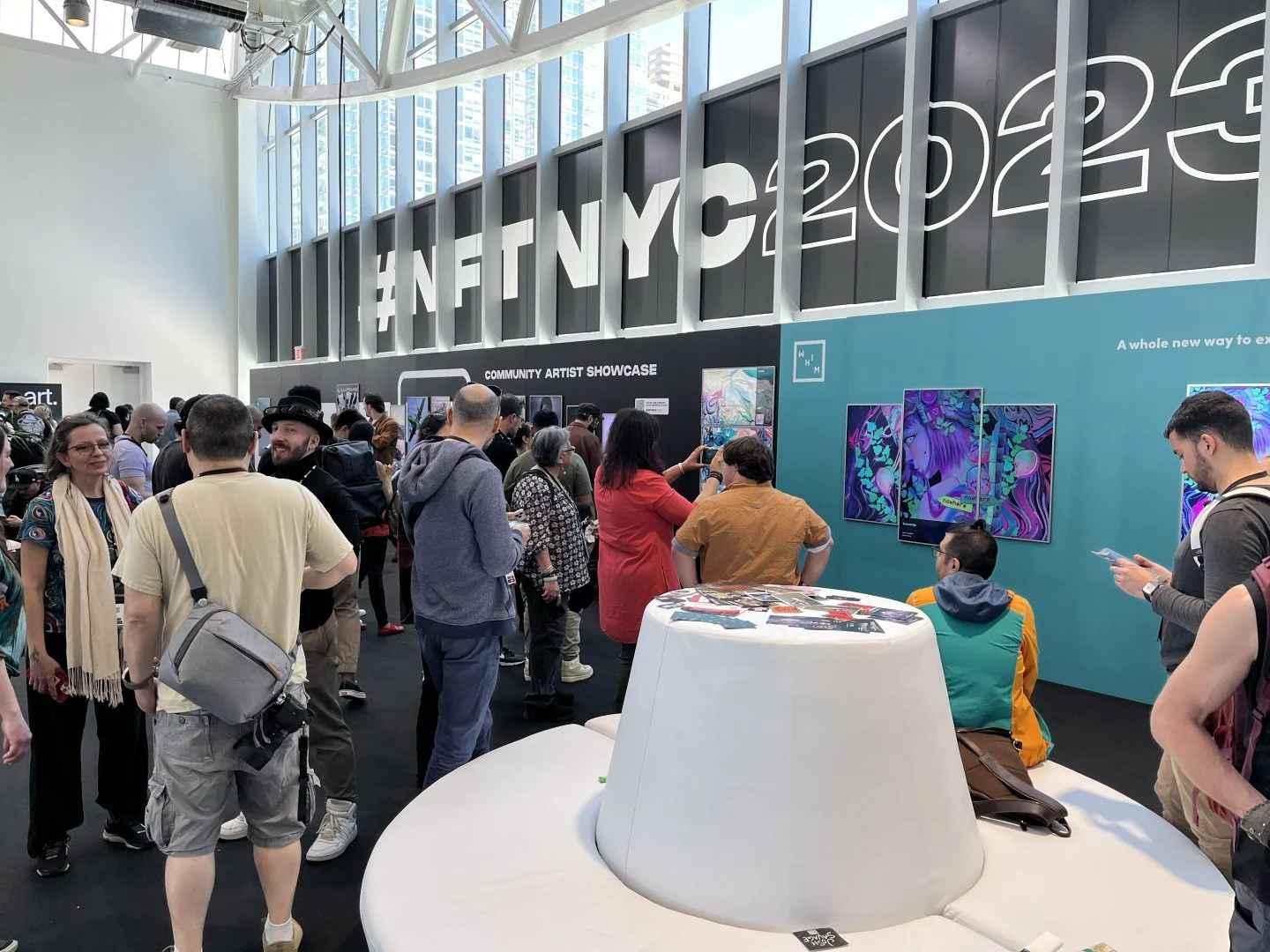
NFT NYC 2023 draws 6k+ Attendees under one roof in the state-of-the-art facilities of the Javits Center
Perhaps the most significant development in the current NFT landscape is the emphasis on community building. Artists are using NFTs not simply as products but as membership tokens that grant collectors access to events, additional content, and direct communication with creators.
Multimedia artist Devin Taylor launched the “Digital Dreamers Collective” on January 8, where NFT ownership grants holders access to monthly virtual studio visits, input on future projects, and discounted physical art prints.
“I’m not just selling images; I’m building relationships,” Taylor explains. “My collectors become patrons and collaborators in my creative journey. That sustainability of connection is worth more than any single sale.”
This community-oriented approach appears to be resonating with collectors wary of previous market volatility. Rather than focusing exclusively on potential financial returns, many collectors are prioritizing participation in artistic communities and supporting creators they admire.
“I don’t think about the resale value anymore,” says Maria Lopez, who has collected over 30 NFTs from emerging artists since 2022. “I’m supporting artists whose work resonates with me and joining communities that share my interests. If the value increases over time, that’s a bonus, not the primary motivation.”
Technical Barriers Continue to Fall
A significant factor in the broadening appeal of NFTs is the decreasing technical complexity involved in creation and collection. New platforms are prioritizing user experience, making the technology accessible to artists and collectors with limited blockchain expertise.
“We’ve deliberately hidden most of the blockchain complexity,” explains Ryan Chen, founder of ArtLink, which launched its simplified NFT marketplace on January 3. “Artists can mint works with just a few clicks, and collectors can purchase using credit cards without needing to understand cryptocurrency wallets or gas fees.”
This streamlining of the user experience appears to be attracting creators who previously found the technical requirements prohibitive. According to a survey conducted by Digital Creator Coalition in December 2023, 68% of artists who minted their first NFT in the past three months cited “simplified platforms” as a key factor in their decision to enter the space.
Challenges and Concerns Remain
Despite the enthusiasm, challenges persist in the NFT ecosystem. Copyright infringement remains a significant issue, with unauthorized minting of artists’ works continuing across various platforms. Several high-profile cases in late 2023 highlighted the difficulty of enforcing intellectual property rights in decentralized marketplaces.
“The technology has evolved, but many of the legal frameworks haven’t kept pace,” warns intellectual property attorney Marcus Johnson. “Artists need to be vigilant about monitoring their work online and should register copyrights for their most valuable creations.”
Market stability also remains a concern for some observers. While the current growth appears more sustainable than previous cycles, historical volatility has made some potential participants cautious.
“We’re seeing healthier patterns in terms of valuation and collector behavior,” notes crypto market analyst Sophia Thompson. “But external factors like regulatory changes or broader cryptocurrency market movements could still impact the NFT space significantly.”
Looking Ahead: Sustainable Growth
As 2024 unfolds, industry experts predict continued evolution rather than revolution in the NFT space. The emphasis on artist empowerment, community building, and practical utility suggests a maturing ecosystem focused on long-term sustainability.
“This isn’t about getting rich quick anymore,” observes gallery owner and digital art collector Richard Wong. “It’s about creating new models for how creators connect with audiences and get compensated fairly for their work. That fundamental value proposition isn’t going away.”
For artists like multimedia creator Eliza Washington, whose “Digital Heritage” collection exploring African diaspora themes launched on January 14, the technology represents something more profound than a market trend.
“NFTs give artists like me unprecedented control over our creative legacy,” Washington reflects. “For the first time in history, digital artists can create work that remains verifiably authentic and directly connected to its creator across generations. That’s revolutionary for preserving digital cultural heritage.”
As museums, brands, and independent creators continue exploring the possibilities of blockchain-verified digital art, the boundaries between traditional and digital art markets appear increasingly permeable. What began as a niche technology has evolved into a significant new channel for artistic expression and collection—one that shows no signs of disappearing as 2024 unfolds.
Stay ahead of market moves!
Beat the crowd to every crypto opportunity with our exclusive, free newsletter delivered daily to your inbox.
By subscribing, you agree to Crypto Market Digest's Terms and Privacy Policy.
Disclaimer:
The information provided on this blog is for informational and educational purposes only and does not constitute financial, investment, legal, or other professional advice. Cryptocurrency investments are highly volatile and carry significant risk. Always conduct your own research and consult with a qualified financial advisor before making any investment decisions. We do not endorse or guarantee the accuracy or completeness of any third-party content linked or referenced on this site. By using this blog, you agree that the authors and publishers are not responsible for any losses or damages resulting from your reliance on the information provided.