Cardano’s Charles Hoskinson Wants to Dump $100M ADA for Bitcoin – Is This the End?
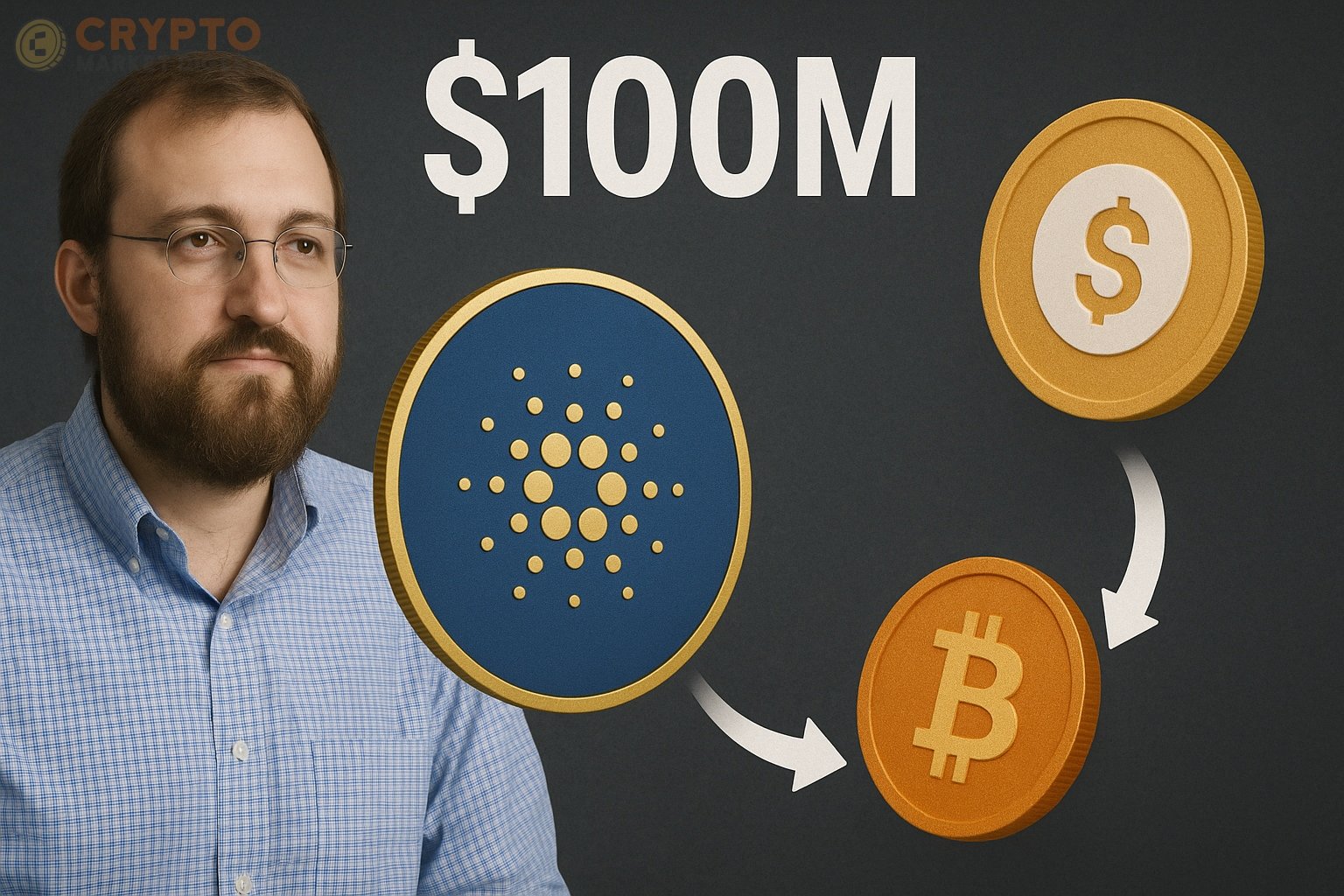
Cardano co-founder Charles Hoskinson has sparked intense debate with his shocking proposal to sell $100 million worth of ADA tokens, converting them into Bitcoin and stablecoins. The move has left many wondering if this signals deeper problems within the Cardano ecosystem.
In a recent YouTube livestream, Hoskinson outlined his controversial plan to transform Cardano’s treasury holdings. “We could take $100 million of ADA in the treasury, convert it to a blend of stablecoins incumbent in Cardano so USDM and USDA and convert some of it in bitcoin to prime bitcoin DeFi,” he stated.
The proposal aims to address what Hoskinson sees as a critical weakness in Cardano’s ecosystem. Currently, stablecoins represent only about 10% of the network’s total value locked (TVL), while Hoskinson believes this ratio should reach 30% to 40% for a healthy DeFi environment.
The Numbers Tell a Troubling Story
The data reveals the scale of Cardano’s challenge. According to DefiLlama, Cardano currently holds $356 million in TVL with just $31 million worth of stablecoins minted on-chain. Compare this to Solana, which boasts $9.8 billion in TVL and an impressive $11 billion worth of stablecoins circulating on its network.
This stark contrast highlights the gap between Cardano and its competitors in the DeFi space. Hoskinson didn’t mince words about the situation, tweeting that the stablecoin shortage is “killing Cardano.”
Dismissing Market Concerns
When critics raised concerns about the potential market impact of such a massive ADA sale, Hoskinson pushed back aggressively. He called these critics “inexperienced” and insisted that the transaction “would not cause any problems at all.” His confidence stems from his belief that ADA doesn’t suffer from liquidity issues.
The Cardano founder emphasized that this strategy would generate “non-inflationary revenue” while simultaneously building up the network’s DeFi economy. By increasing the stablecoin supply and diversifying treasury holdings, he argues the move would strengthen rather than weaken Cardano’s position.
Internal Disagreement Surfaces
However, Hoskinson’s proposal appears to conflict with statements from other Cardano leadership. Frederik Gregaard, CEO of the Cardano Foundation, previously stated in March that TVL isn’t a metric he considers important for measuring adoption.
This disagreement between two key figures in the Cardano ecosystem raises questions about the organization’s strategic direction. While Hoskinson focuses on TVL and DeFi metrics, Gregaard seems to prioritize different indicators of network success.
What This Means for Cardano’s Future
The proposal represents more than just a treasury management decision. It signals a potential shift in Cardano’s approach to competing in the DeFi space. By acknowledging the stablecoin deficit and proposing such a dramatic solution, Hoskinson is essentially admitting that Cardano needs to catch up with competitors like Solana.
The success or failure of this proposal could determine whether Cardano can revitalize its DeFi ecosystem or continue to lag behind other blockchain platforms. For ADA holders and the broader crypto community, Hoskinson’s bold move represents either a necessary evolution or a concerning sign of desperation.
As the debate continues, one thing remains clear: Cardano is at a crossroads, and the decisions made in the coming months will likely shape its future in the competitive blockchain landscape.
Stay ahead of market moves!
Beat the crowd to every crypto opportunity with our exclusive, free newsletter delivered daily to your inbox.
By subscribing, you agree to Crypto Market Digest's Terms and Privacy Policy.
Disclaimer:
The information provided on this blog is for informational and educational purposes only and does not constitute financial, investment, legal, or other professional advice. Cryptocurrency investments are highly volatile and carry significant risk. Always conduct your own research and consult with a qualified financial advisor before making any investment decisions. We do not endorse or guarantee the accuracy or completeness of any third-party content linked or referenced on this site. By using this blog, you agree that the authors and publishers are not responsible for any losses or damages resulting from your reliance on the information provided.