Could Blockchain Solve Pakistan’s $31 Billion Remittance Challenge?
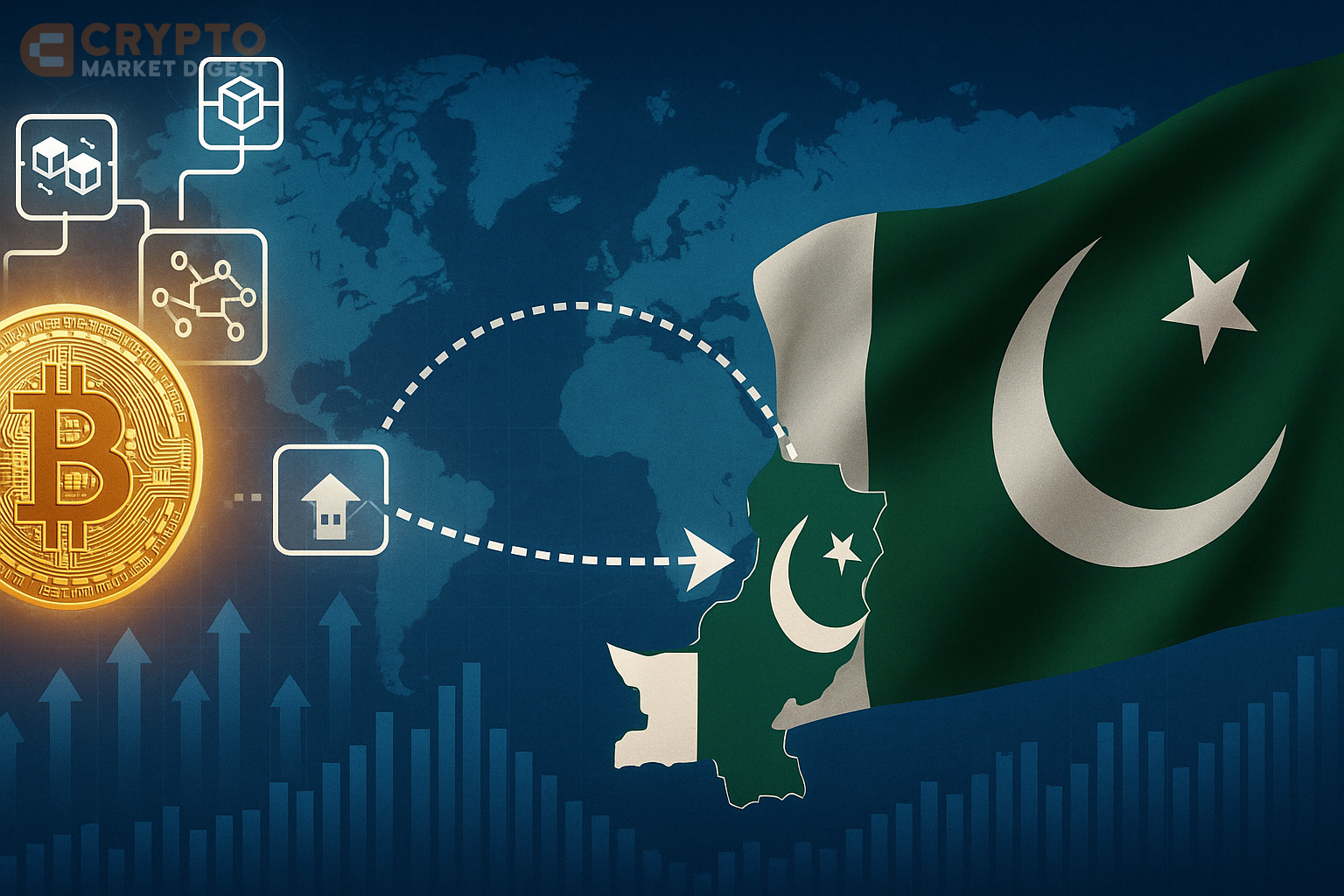
Pakistan is considering blockchain technology to revolutionize how its overseas citizens send money home, potentially saving millions in fees and reducing transfer times.
Blockchain Solution for Pakistan’s Remittance Market
Pakistan may soon leverage blockchain technology to streamline remittances from its citizens working abroad, according to Bilal bin Saqib, chief adviser to the finance minister and member of the newly established Pakistan Crypto Council (PCC).
With over $31 billion sent home by overseas Pakistanis in 2023-24, the country ranks among the top 10 nations for remittances globally. However, the current transfer systems are plagued by slow processing times and high fees that can exceed 5%.
“The PCC will investigate blockchain-based remittance solutions to reduce costs and delays,” Saqib said in an interview. “Additionally, we’ll invest in blockchain education, upskilling programs, and Web3 development to cultivate talent, boost employment, and drive economic growth.”
Balancing Innovation with Regulation
Despite the potential benefits, cryptocurrency trading remains prohibited in Pakistan under a 2018 circular from the State Bank of Pakistan that bans financial institutions from facilitating crypto transactions.
Nevertheless, Pakistan appears in Chainalysis’ 2024 Global Crypto Adoption Index as one of five featured Asian nations, indicating substantial crypto usage among citizens seeking protection against inflation and currency volatility.
“This reflects significant demand despite the regulatory vacuum. With over 60% of Pakistan’s 240 million people under 30, our tech-savvy youth are poised to drive blockchain and Web3 innovation,” Saqib explained. “The PCC aims to unlock this untapped potential by advocating for a clear, progressive regulatory framework.”
Compliance and Security Concerns
The PCC is exploring initiatives including tokenizing real-world assets and establishing regulatory sandboxes while ensuring compliance with Financial Action Task Force (FATF) standards. Pakistan was removed from the FATF’s gray list in 2022.
“Illegal crypto outflows are a concern,” Saqib noted. “Without regulation, cryptocurrencies can facilitate untracked cross-border transactions, exacerbating dollar shortages. The PCC’s first step is to establish a robust, transparent regulatory framework mandating know-your-customer (KYC) and anti-money laundering (AML) compliance for all crypto activities.”
Global Context
Global regulatory policies are evolving, particularly in light of President Donald Trump’s support for the digital assets industry following his recent election victory. Last week, Trump announced plans for a strategic Bitcoin reserve formed from cryptocurrency seized during enforcement actions.
When asked if Pakistan might consider a similar approach, Saqib expressed caution: “While building a BTC reserve from seized assets could be appealing, Pakistan’s crypto enforcement is nascent, and illicit holdings are rarely intercepted at scale. Any move toward a strategic reserve would require careful dialogue with the IMF and FATF to avoid jeopardizing international support or Pakistan’s post-gray-list status.”
Stay ahead of market moves!
Beat the crowd to every crypto opportunity with our exclusive, free newsletter delivered daily to your inbox.
By subscribing, you agree to Crypto Market Digest's Terms and Privacy Policy.
Disclaimer:
The information provided on this blog is for informational and educational purposes only and does not constitute financial, investment, legal, or other professional advice. Cryptocurrency investments are highly volatile and carry significant risk. Always conduct your own research and consult with a qualified financial advisor before making any investment decisions. We do not endorse or guarantee the accuracy or completeness of any third-party content linked or referenced on this site. By using this blog, you agree that the authors and publishers are not responsible for any losses or damages resulting from your reliance on the information provided.