Ethereum Foundation Undergoes Major Leadership Restructuring
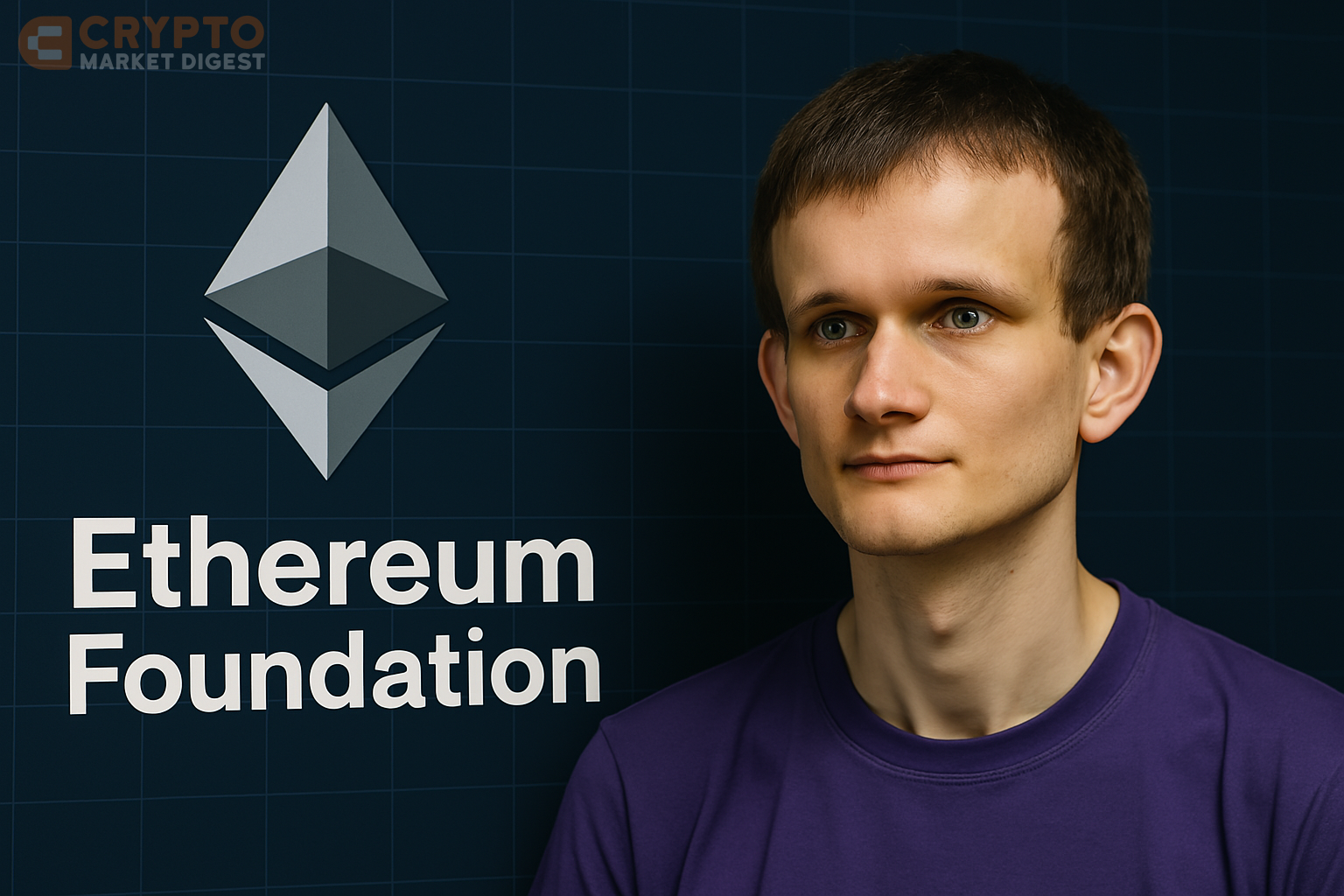
The Ethereum co-founder unveiled sweeping organizational changes aimed at improving governance and accelerating development
In a significant development that sent ripples through the cryptocurrency ecosystem, Ethereum co-founder Vitalik Buterin announced substantial leadership changes within the Ethereum Foundation on January 18. The restructuring marks one of the most notable organizational shifts in the foundation’s history and signals a new era of governance for the world’s second-largest blockchain platform.
A New Direction for Ethereum Leadership
Speaking at a virtual community call that drew thousands of viewers, Buterin outlined what he described as “necessary evolutionary steps” for the foundation that oversees development of the Ethereum blockchain. The changes come at a pivotal moment for Ethereum, which continues its technical evolution following the successful transition to proof-of-stake consensus with The Merge in 2022 and working toward scaling solutions through sharding.
“As Ethereum matures, so too must our organizational structure,” Buterin explained during the announcement. “These changes reflect our commitment to decentralized governance while ensuring we have the right expertise in the right places to continue innovating responsibly.”
The restructuring introduces a more distributed leadership model, moving away from the foundation’s previous hierarchical structure toward what Buterin called “decentralized coordination centers” focused on specific aspects of the Ethereum ecosystem.
Key Leadership Appointments
Several prominent figures in the Ethereum community have been appointed to new leadership positions as part of the reorganization. Among the most notable appointments:
- Dr. Aya Miyaguchi, who previously served as Executive Director, will transition to a newly created role as Global Strategy Advisor, focusing on international partnerships and regulatory engagement.
- Danny Ryan, a long-time Ethereum researcher and core contributor, has been appointed as Technical Director, overseeing the implementation of the Ethereum roadmap.
- Justin Drake will lead the newly established Research Coordination Center, dedicated to advancing cryptographic innovations and scaling solutions.
- Tim Beiko has been named Protocol Governance Lead, responsible for managing the complex process of protocol upgrades and improvement proposals.
“These individuals have demonstrated exceptional commitment to Ethereum’s vision,” Buterin noted. “Their deep technical understanding, community connection, and alignment with our core values make them ideal leaders for this next chapter.”
Funding and Resource Allocation Changes
The restructuring also introduces significant changes to how the Ethereum Foundation allocates its resources. Buterin announced a more transparent grant system with dedicated funding streams for:
- Core protocol development
- Layer 2 scaling solutions
- Developer tools and infrastructure
- Education and community building
- Security research and auditing
According to Buterin, the foundation will now publish quarterly reports detailing grant allocations and project progress, enhancing transparency around how funds are utilized.
“We recognize the importance of thoughtful resource allocation,” Buterin said. “These dedicated funding streams ensure we’re investing strategically in all critical areas of the ecosystem while maintaining the transparency our community expects.”
The Road Ahead: Technical Priorities
The leadership changes coincide with an updated technical roadmap for Ethereum. Buterin outlined several priority areas for the network’s ongoing development:
- Accelerating the implementation of proto-danksharding (EIP-4844) to reduce transaction costs for layer 2 solutions
- Enhancing validator performance and security
- Improving client diversity
- Advancing account abstraction to improve user experience
- Continuing research on zero-knowledge proof technology
“With our new leadership structure in place, we’re positioned to make faster progress on these technical priorities,” Buterin explained. “Each area now has dedicated leadership and resources, allowing for more focused development efforts.”
Community Reaction and Market Impact
The announcement was met with generally positive reactions from the Ethereum community, though not without some concerns. Many community members expressed support for the increased transparency and more distributed governance model.
Ethereum developer Tim Beiko tweeted: “These changes represent a natural evolution for the foundation. As the ecosystem has grown more complex, our coordination structures needed to evolve accordingly.”
Meanwhile, some community members raised questions about the potential centralization of decision-making power among a small group of individuals. A prominent Ethereum researcher who requested anonymity commented: “While I support the changes overall, we need to ensure this doesn’t inadvertently create new power centers that could undermine our decentralization ethos.”
The cryptocurrency markets responded positively to the news, with Ethereum (ETH) seeing a modest price increase of approximately 3% in the 24 hours following the announcement. Trading volume also increased significantly, suggesting heightened interest from investors.
Industry Implications
The leadership changes at the Ethereum Foundation could have far-reaching implications for the broader blockchain industry. As Ethereum continues its position as the leading smart contract platform and the backbone of decentralized finance (DeFi), non-fungible tokens (NFTs), and Web3 applications, changes to its governance structure naturally impact the entire ecosystem.
“The Ethereum Foundation’s approach to governance has historically influenced how other blockchain projects structure themselves,” explained Dr. Sarah Chen, blockchain governance researcher at Massachusetts Institute of Technology. “This move toward distributed leadership centers could become a model for other decentralized organizations facing similar scaling challenges.”
Industry analysts also noted that the timing of the announcement—coming amid increased regulatory scrutiny of cryptocurrency projects globally—may reflect the foundation’s desire to demonstrate responsible governance and clear leadership accountability.
Historical Context and Ethereum’s Evolution
The leadership changes represent the most significant organizational shift since the foundation’s restructuring in 2018. Founded in 2014 shortly after Ethereum was conceived, the foundation has evolved considerably from its early days as a small group of developers and researchers.
Throughout its history, the Ethereum Foundation has maintained a delicate balance between providing direction for the protocol’s development and encouraging decentralized community governance. This latest restructuring appears designed to maintain that balance while adapting to the growing complexity of the Ethereum ecosystem.
“Ethereum has always been about more than technology—it’s about creating systems that enable better coordination between people,” Buterin reflected during his announcement. “These organizational changes embody that same philosophy.”
Looking Forward: Challenges and Opportunities
Despite the positive reception, the foundation faces several challenges as it implements these changes. Integration of new leadership, maintaining community trust during the transition, and ensuring continued technical progress are all immediate concerns.
The foundation also faces external pressures, including ongoing regulatory uncertainty in major markets and competition from alternative Layer 1 blockchains and Layer 2 solutions.
However, the restructuring also presents significant opportunities. The more specialized leadership structure could accelerate development in key areas, while increased transparency may strengthen community trust and participation.
“What we’re doing today is setting Ethereum up for long-term success,” Buterin concluded. “By distributing leadership responsibilities and creating clear accountability structures, we’re building an organization that can support Ethereum’s growth for years to come.”
As the Ethereum ecosystem digests these changes, the coming months will be crucial in determining whether the new leadership structure delivers on its promises of enhanced coordination, faster technical progress, and continued decentralization.
Stay ahead of market moves!
Beat the crowd to every crypto opportunity with our exclusive, free newsletter delivered daily to your inbox.
By subscribing, you agree to Crypto Market Digest's Terms and Privacy Policy.
Disclaimer:
The information provided on this blog is for informational and educational purposes only and does not constitute financial, investment, legal, or other professional advice. Cryptocurrency investments are highly volatile and carry significant risk. Always conduct your own research and consult with a qualified financial advisor before making any investment decisions. We do not endorse or guarantee the accuracy or completeness of any third-party content linked or referenced on this site. By using this blog, you agree that the authors and publishers are not responsible for any losses or damages resulting from your reliance on the information provided.