NFT Disaster: Nike’s Digital Art Vanishes Overnight
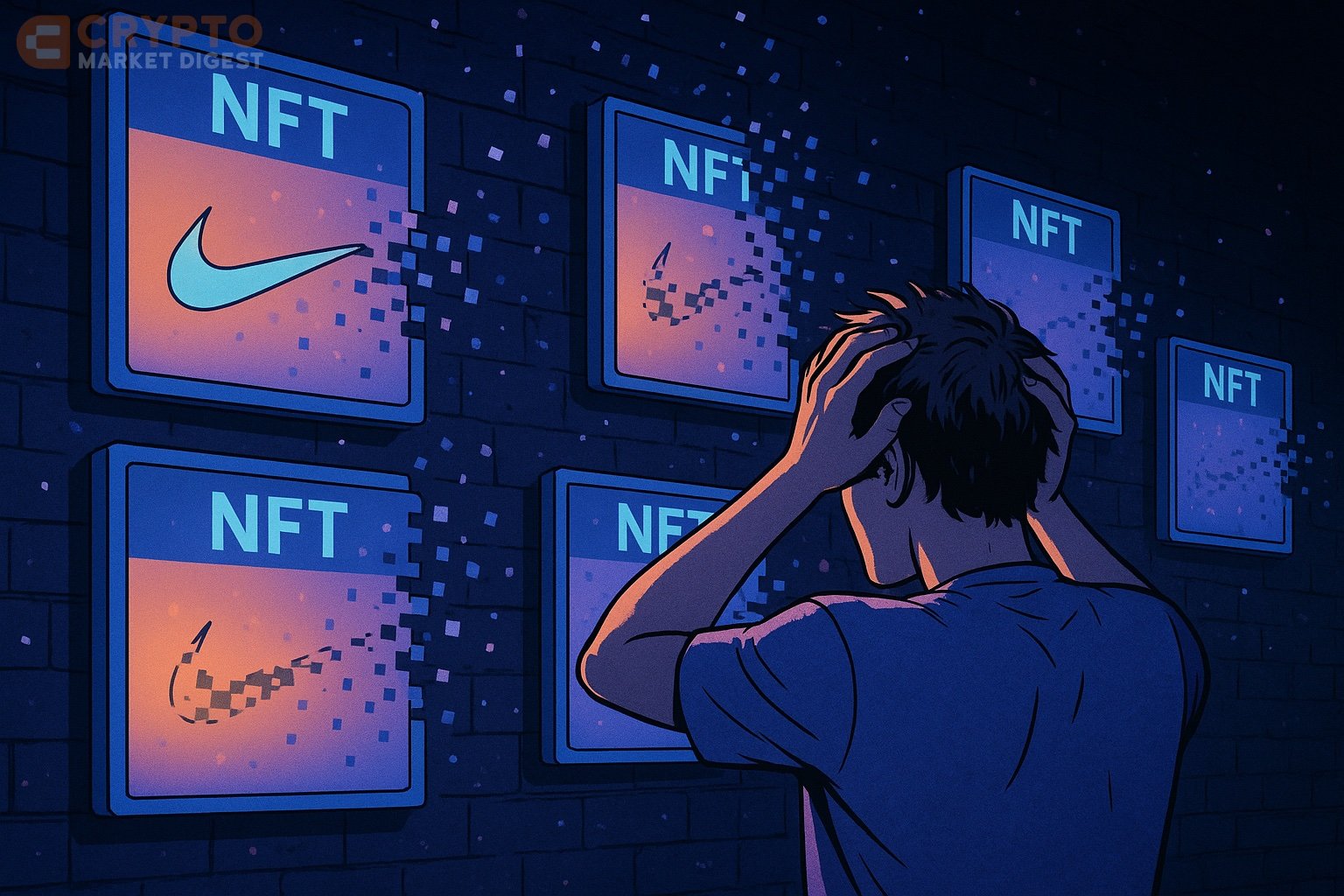
In a shocking development that sent ripples through the NFT community, collectors woke up Thursday to find their prized digital artwork had seemingly disappeared into thin air. The affected collections? None other than the prestigious RTFKT series owned by Nike—including the coveted Clone X collaboration with renowned artist Takashi Murakami.
Digital Art Goes Dark
Ethereum NFT holders were startled to discover their colorful, unique artwork had been replaced with an ominous black background featuring white text that read: “This content has been restricted. Using Cloudflare’s basic service in this manner is a violation of the Terms of Service.”
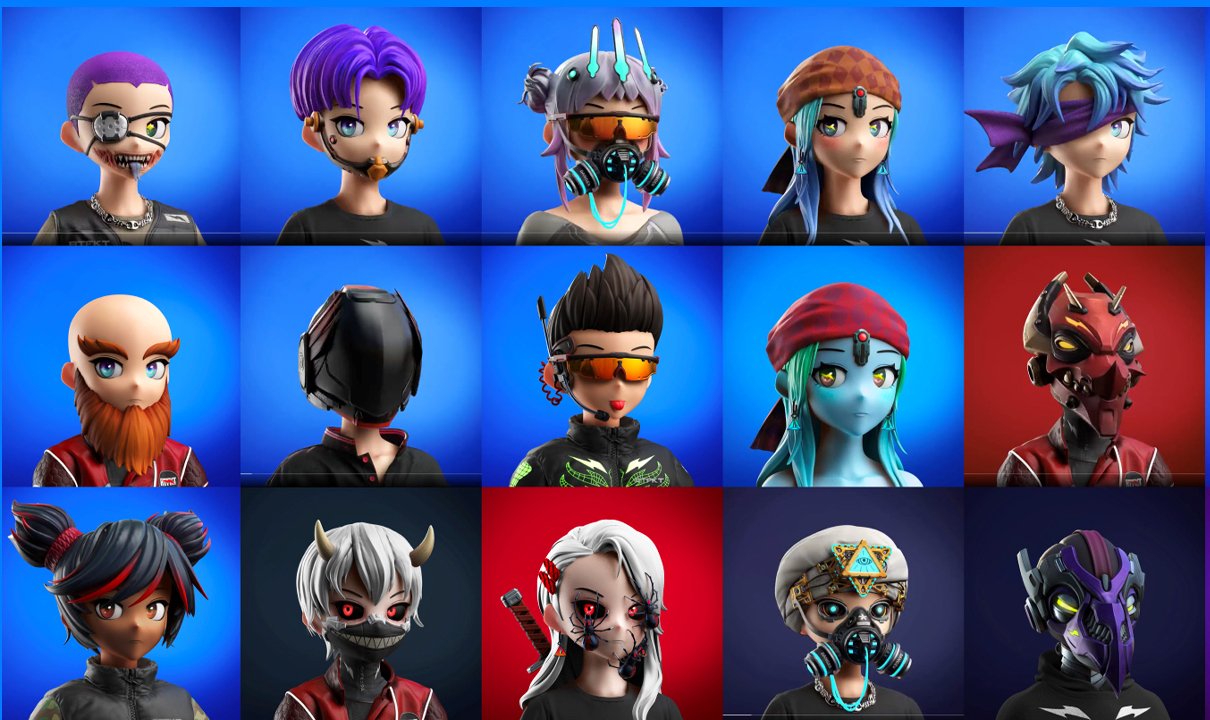
NIke acquired RTFKT and later shuttered in December 2023
The issue affected multiple collections from RTFKT, the blockchain fashion company that Nike acquired and later shuttered in December 2023. Both the flagship Clone X profile picture collection and Animus collections were impacted by this unexpected disappearance.
Cloud Trouble Behind the Scenes
As panic spread across social media, RTFKT Head of Technology Samuel Cardillo stepped in to explain what happened. According to Cardillo, the problem stemmed from a Cloudflare contract that ended prematurely.
“Somehow this morning Cloudflare decided to move to the Free plan a few days before the end of the contract,” Cardillo posted on X (formerly Twitter). This unexpected downgrade triggered the artwork to stop displaying properly.
Cardillo revealed that infrastructure changes had been under discussion since RTFKT’s closure in December, but formal decisions weren’t made until earlier this month—leaving users vulnerable to exactly this type of disruption.
The Off-Chain Vulnerability
This incident highlights a persistent concern in the NFT space: most NFTs don’t store their associated images and metadata directly on the blockchain alongside the tokens themselves. Instead, many rely on third-party services to host and display this data.
When these off-chain storage solutions fail, the consequences can be serious. The uniqueness—or non-fungibility—that gives NFTs their value becomes questionable if the artwork itself can disappear.
This isn’t the first time such problems have occurred. Previously, an $11 million NFT music album hosted by a central provider temporarily vanished after being purchased on Nifty Gateway. Similarly, when crypto exchange FTX collapsed in late 2022, NFT collections launched through the platform broke when servers went offline.
Solutions in Progress
While images began reappearing after Cloudflare reportedly addressed the contract issue, Cardillo is taking steps to prevent future occurrences by moving toward decentralized storage solutions.
“I am working closely with [the] AR Drive team to decentralize both CloneX and Animus to ensure that post-April 30, no downtime of your favorite art [will] ever happen again,” he stated.
AR Drive is an open-source application that uses Arweave’s decentralized storage network, allowing users to pay once for permanent on-chain file storage. According to calculations on AR Drive’s website, storing the approximately 200GB of RTFKT files would cost around $2,800.
RTFKT’s Legacy
The timing is particularly noteworthy as RTFKT was shut down by Nike in December 2023, just three years after the sportswear giant acquired the blockchain fashion and technology company for an undisclosed amount.
This latest incident serves as a powerful reminder of the importance of understanding how NFT assets are stored and the potential vulnerabilities that come with off-chain solutions—even when backed by companies as large as Nike.
Stay ahead of market moves!
Beat the crowd to every crypto opportunity with our exclusive, free newsletter delivered daily to your inbox.
By subscribing, you agree to Crypto Market Digest's Terms and Privacy Policy.
Disclaimer:
The information provided on this blog is for informational and educational purposes only and does not constitute financial, investment, legal, or other professional advice. Cryptocurrency investments are highly volatile and carry significant risk. Always conduct your own research and consult with a qualified financial advisor before making any investment decisions. We do not endorse or guarantee the accuracy or completeness of any third-party content linked or referenced on this site. By using this blog, you agree that the authors and publishers are not responsible for any losses or damages resulting from your reliance on the information provided.