PayPal Expands Crypto Services to U.S. Business Accounts, Boosting Crypto Adoption in E-Commerce
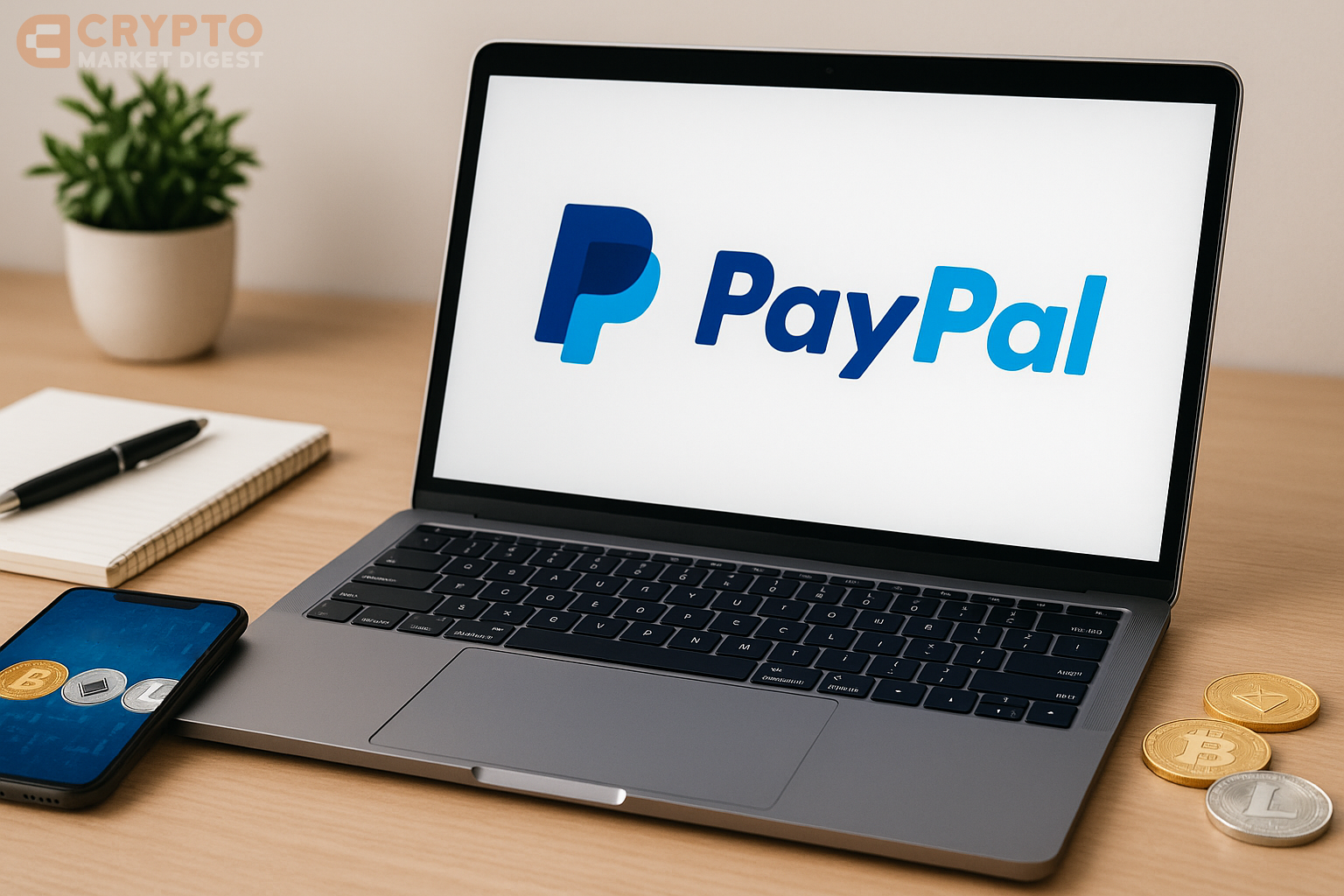
In a significant development for cryptocurrency adoption in mainstream commerce, PayPal announced today it is expanding its cryptocurrency services to U.S.-based business accounts. The move marks a substantial evolution in PayPal’s crypto strategy that began in late 2020, potentially accelerating digital asset integration into everyday business transactions.
The payment giant revealed that eligible U.S. business account holders can now buy, sell, and hold cryptocurrencies directly through their PayPal Business accounts, mirroring functionality previously available only to personal account users. The expanded service will initially support Bitcoin (BTC), Ethereum (ETH), Litecoin (LTC), and Bitcoin Cash (BCH).
Bringing Crypto to Business Users
PayPal’s President and CEO Dan Schulman emphasized the company’s commitment to digital currency innovation during the announcement. “After seeing strong adoption among our consumer base, extending cryptocurrency services to our business customers was the natural next step in our digital currency roadmap,” Schulman stated. “We believe this expansion will help drive greater utility and mainstream adoption of cryptocurrencies in commerce.”
The new functionality allows businesses to:
- Purchase cryptocurrencies directly from their PayPal Business account balance
- Hold digital assets as part of their business treasury strategy
- Convert crypto holdings back to USD with no additional holding period requirements
- View real-time price data and educational content about cryptocurrency markets
However, similar to existing personal account restrictions, businesses cannot transfer cryptocurrencies to external wallets or receive direct crypto payments from customers at this time. PayPal indicated these features may be considered in future updates as regulatory frameworks evolve.
Business Community Response
Early reaction from the business community has been largely positive. Small business owner Rachel Martinez, who runs an online craft supply store, shared her enthusiasm: “I’ve been using cryptocurrency personally for years but had to keep it separate from my business finances. Having it integrated directly into my PayPal Business account streamlines everything and legitimizes crypto as a business asset.”
E-commerce platform Shopify, which already supports cryptocurrency payments through various integrations, welcomed PayPal’s announcement. “PayPal’s move aligns with what we’re seeing in the market—growing demand from businesses wanting to diversify into digital assets,” said Harley Finkelstein, Shopify’s President, in a statement to the press.
However, some business users expressed disappointment at the continued limitations. Mark Wilson, owner of a digital marketing agency, noted, “While it’s progress, not being able to accept direct crypto payments from clients or transfer to our hardware wallets still limits the practical business applications.”
Market Impact and Context
The announcement comes at an interesting juncture for cryptocurrency markets. Bitcoin has experienced significant price consolidation in recent months following the April 2024 halving event, trading in a range between $62,000 and $69,000 since late April. Ethereum has shown stronger momentum recently as excitement builds around potential ETH ETF approvals expected later this year.
PayPal’s stock (PYPL) responded positively to the news, rising approximately 3.2% in morning trading after the announcement, outperforming the broader fintech sector.
Industry analysts view this development as part of a larger trend of traditional financial services firms deepening their cryptocurrency integration. “PayPal is strategically building out its crypto ecosystem in measured steps,” explains Joanna Ruiz, Senior Fintech Analyst at Morgan Stanley. “Starting with consumers, then expanding to businesses, follows a logical progression that minimizes regulatory and operational risks while gradually normalizing cryptocurrency in everyday financial activities.”
Regulatory Considerations
PayPal emphasized its commitment to regulatory compliance throughout the rollout. The company has secured necessary licenses in all applicable states and will implement enhanced KYC (Know Your Customer) and AML (Anti-Money Laundering) protocols for business users engaging with cryptocurrencies.
The company will also provide extensive tax reporting guidance, addressing one of the major pain points businesses face when incorporating digital assets into their operations. This includes integration with popular accounting software to help track cryptocurrency holdings, transactions, and relevant tax obligations.
Sarah Williams, PayPal’s Chief Compliance Officer, stated, “We’ve worked closely with regulators to ensure our platform provides both innovation and appropriate safeguards. Our approach balances making cryptocurrency accessible while maintaining the trust and security businesses expect from PayPal.”
Competitive Landscape
PayPal’s expansion comes as competition intensifies in the crypto payment processing space. Block (formerly Square) has been aggressively building out its Bitcoin strategy, while traditional payment processors like Visa and Mastercard have developed extensive crypto partnerships.
“What makes PayPal’s approach distinctive is its massive installed base of over 30 million merchants in the U.S. alone,” notes crypto payment analyst Michael Chen. “This built-in distribution channel gives them significant advantages in driving mainstream business adoption compared to crypto-native payment processors.”
Fintech competitor Stripe, which recently reintroduced cryptocurrency support after previously abandoning it in 2018, declined to comment specifically on PayPal’s announcement. However, industry observers expect similar moves from other payment processors in the coming months.
Implementation Timeline and Future Plans
The expanded functionality begins rolling out today to selected U.S. business customers, with complete availability expected by the end of June 2024. PayPal indicated international expansion would follow, with the UK, Canada, and Australia likely next in line, though no specific timeline was provided.
During an investor call following the announcement, Schulman hinted at more comprehensive cryptocurrency features on the horizon. “Today’s announcement is just one component of our broader digital currency strategy. We continue exploring developments that could fundamentally transform how businesses interact with digital assets.”
Industry sources suggest these future developments could include:
- Support for additional cryptocurrencies, potentially including stablecoins
- Direct crypto payment acceptance capabilities for merchants
- Integration with PayPal’s Venmo business profiles
- Enhanced crypto rewards programs for business users
Broader Implications for Crypto Adoption
Cryptocurrency advocates view PayPal’s expansion as another validation of digital assets’ growing legitimacy in mainstream finance. “Having a trusted name like PayPal embrace cryptocurrency for business users helps overcome adoption hesitancy,” said Jerry Sanders, Executive Director of the Digital Commerce Association. “Many businesses have been curious about crypto but concerned about compliance and security. PayPal’s entry addresses these concerns.”
The timing aligns with growing interest from businesses in cryptocurrency treasury strategies, particularly as inflation concerns and institutional adoption have highlighted Bitcoin’s potential as a balance sheet asset. Several public companies, most notably including MicroStrategy and Tesla, pioneered this approach by converting portions of their cash reserves to Bitcoin.
PayPal’s move potentially brings this strategy within reach of millions of small and medium-sized businesses that lack the specialized knowledge or resources to implement cryptocurrency treasury functions independently.
Educational Component
Recognizing that many business users may be new to cryptocurrencies, PayPal is launching an expanded educational portal focused specifically on business use cases for digital assets. The portal will include webinars, case studies, and implementation guides covering topics such as:
- Cryptocurrency fundamentals for business decision-makers
- Tax and accounting best practices for digital assets
- Security considerations for business cryptocurrency holdings
- Treasury management strategies incorporating digital assets
“Education remains critical to responsible cryptocurrency adoption,” explained PayPal’s VP of Blockchain Strategy, Jose Fernandez. “We’re committed to ensuring our business users understand both the opportunities and responsibilities that come with incorporating digital assets into their operations.”
Conclusion
PayPal’s expansion of cryptocurrency services to business accounts represents a significant milestone in the company’s digital asset strategy and potentially accelerates broader business adoption of cryptocurrencies. By leveraging its trusted position in the payments ecosystem, PayPal is normalizing cryptocurrency as a legitimate business tool while addressing key concerns around security, compliance, and ease of use.
As the line between traditional finance and cryptocurrency continues to blur, PayPal’s measured approach demonstrates how established financial institutions can embrace innovation while maintaining compliance and operational stability. The coming months will reveal whether business users embrace these new capabilities and how competitors respond to this significant market development.
Stay ahead of market moves!
Beat the crowd to every crypto opportunity with our exclusive, free newsletter delivered daily to your inbox.
By subscribing, you agree to Crypto Market Digest's Terms and Privacy Policy.
Disclaimer:
The information provided on this blog is for informational and educational purposes only and does not constitute financial, investment, legal, or other professional advice. Cryptocurrency investments are highly volatile and carry significant risk. Always conduct your own research and consult with a qualified financial advisor before making any investment decisions. We do not endorse or guarantee the accuracy or completeness of any third-party content linked or referenced on this site. By using this blog, you agree that the authors and publishers are not responsible for any losses or damages resulting from your reliance on the information provided.