US SEC Approves First Spot Bitcoin ETFs: What This Means for Crypto
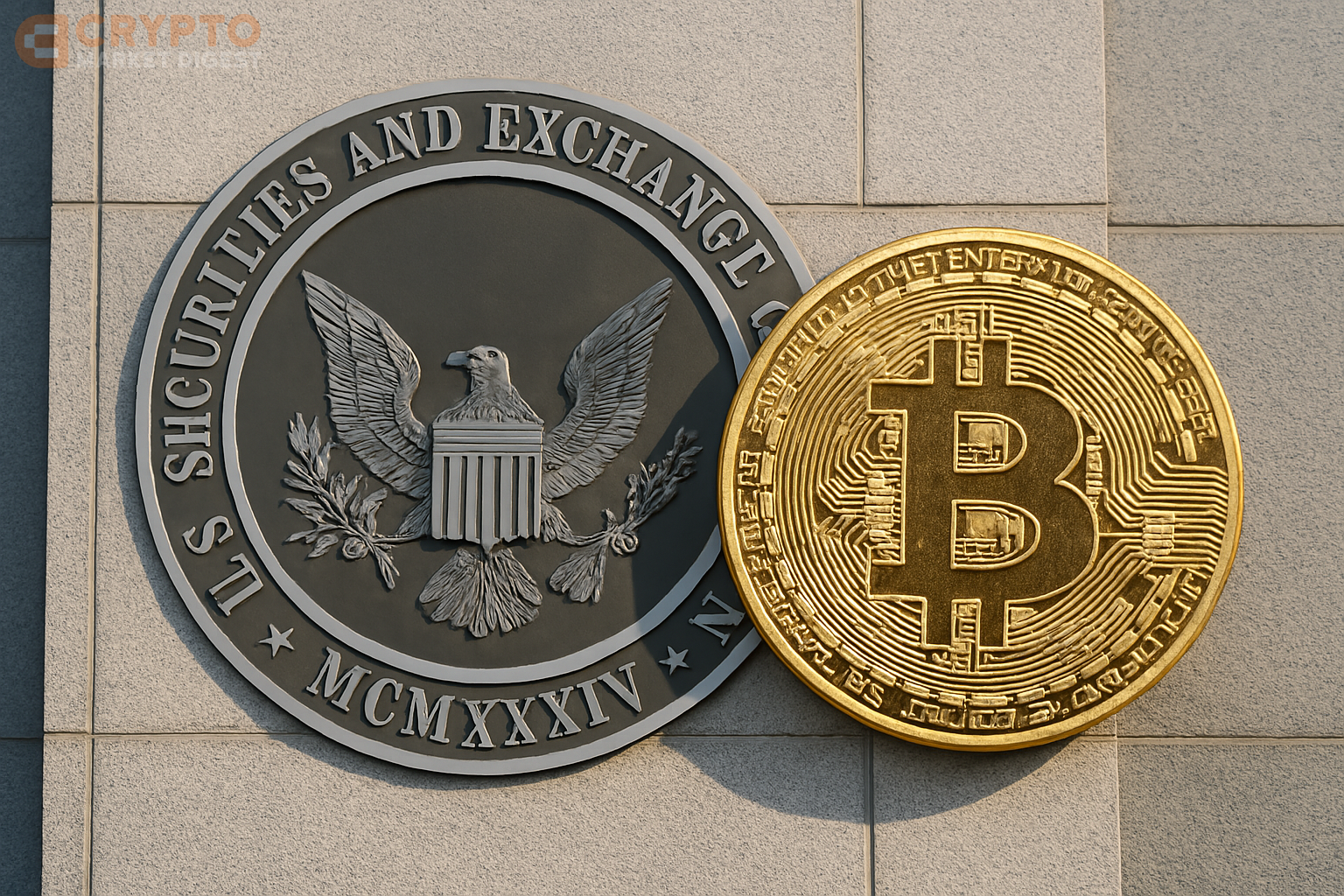
In a landmark decision for cryptocurrency investors, the US Securities and Exchange Commission (SEC) has finally approved the first spot Bitcoin exchange-traded funds (ETFs), marking a pivotal moment in the journey of digital assets toward mainstream financial acceptance.
After years of rejected applications and regulatory uncertainty, the SEC’s decision opens the door for retail and institutional investors to gain exposure to Bitcoin through a regulated investment vehicle without directly owning the cryptocurrency.
A Historic Day for Cryptocurrency
The SEC’s approval comes after a lengthy and often contentious process. For nearly a decade, various financial firms have attempted to launch a spot Bitcoin ETF in the United States, facing repeated rejections from the regulatory body. Previous concerns cited by the SEC included market manipulation risks, lack of surveillance sharing agreements, and insufficient investor protections.
“This decision represents a significant shift in the SEC’s stance on cryptocurrency,” said financial analyst Sarah Johnson. “It acknowledges that the Bitcoin market has matured to a point where the agency feels comfortable allowing these investment products to enter the market.”
The approved ETFs will track the actual price of Bitcoin rather than futures contracts, making them “spot” ETFs. This means the funds will hold Bitcoin directly or through a custodian, providing investors with more direct exposure to the cryptocurrency’s price movements.
What Are Spot Bitcoin ETFs?
For those new to the concept, an ETF is an investment fund traded on stock exchanges, much like individual stocks. ETFs typically track an index, sector, commodity, or other asset classes.
A spot Bitcoin ETF specifically allows investors to buy shares that represent Bitcoin ownership without the complexities of managing private keys or digital wallets. The fund purchases and holds actual Bitcoin on behalf of investors, with each share backed by a proportional amount of the cryptocurrency.
This differs from previously approved Bitcoin futures ETFs, which track contracts betting on the future price of Bitcoin rather than the cryptocurrency itself.
“Spot ETFs are generally considered superior investment vehicles for most retail investors,” explained Marcus Rodriguez, a cryptocurrency investment advisor. “They more accurately track the underlying asset’s price and typically have lower management fees compared to futures-based ETFs.”
Market Impact and Investor Response
Following the announcement, Bitcoin’s price saw significant movement, reflecting the market’s reaction to this regulatory milestone. Trading volumes across cryptocurrency exchanges spiked as investors positioned themselves ahead of the ETFs’ launch.
Wall Street has also responded enthusiastically. Major financial institutions that had previously kept cryptocurrency at arm’s length are now preparing to offer these new investment products to their clients. Several of the approved ETF issuers have already announced competitive fee structures to attract investors.
“This is the crypto equivalent of the moment when the first gold ETF was approved,” said Michael Chen, Chief Investment Officer at Digital Asset Capital. “It represents validation from traditional finance and provides a bridge for conventional investors to enter the cryptocurrency market.”
Industry estimates suggest that Bitcoin ETFs could attract billions in new investment over the coming months, potentially driving further price appreciation as demand increases.
Who’s Behind the Approved ETFs?
The SEC has approved applications from several prominent financial institutions, including:
- BlackRock, the world’s largest asset manager
- Fidelity Investments
- ARK Invest and 21Shares
- Invesco
- VanEck
- Grayscale Investments, which is converting its existing Bitcoin Trust into an ETF structure
Each issuer will offer slightly different fee structures and management approaches, giving investors various options to consider.
“Competition among these major players will benefit investors through lower fees and improved product offerings,” noted financial planner David Washington. “We’re already seeing a race to the bottom in terms of management fees, which is great news for the average investor.”
What This Means for Mainstream Adoption
The approval of spot Bitcoin ETFs represents more than just a new investment product – it signals a significant step toward cryptocurrency’s integration into the traditional financial system.
“This opens the floodgates for retirement accounts, pension funds, and other institutional investors who previously couldn’t or wouldn’t touch Bitcoin directly,” said cryptocurrency researcher Lisa Park. “Now, financial advisors can recommend Bitcoin exposure through a regulated vehicle that fits within their existing investment frameworks.”
For many investors, ETFs solve several challenges associated with direct cryptocurrency ownership:
- Security concerns: No need to worry about private key management or exchange hacks
- Technical barriers: No cryptocurrency wallets or exchanges required
- Tax reporting: Simplified tax treatment similar to other securities
- Regulatory comfort: SEC oversight provides an additional layer of investor protection
The approval may also pave the way for other cryptocurrency ETFs in the future, potentially including Ethereum and other established digital assets.
Regulatory Considerations and Investor Protections
While approving the ETFs, the SEC has implemented several requirements designed to protect investors. These include:
- Robust surveillance sharing agreements between exchanges
- Strict custody requirements for the underlying Bitcoin
- Enhanced disclosure requirements about cryptocurrency risks
- Ongoing reporting obligations for ETF issuers
SEC Chair emphasized that while the agency has approved these products, investors should remain aware of Bitcoin’s volatility and speculative nature. “These ETFs provide a regulated avenue for Bitcoin exposure, but they don’t change the fundamental characteristics of the underlying asset,” the Chair stated in the announcement.
Consumer advocates have generally welcomed the additional oversight while noting that cryptocurrency investments still carry significant risks.
Global Context and Competitive Positioning
The U.S. approval comes after several other countries, including Canada, Australia, Brazil, and parts of Europe, had already approved similar products. This raised concerns about America falling behind in cryptocurrency innovation and financial product development.
“The U.S. has been playing catch-up in this space,” said international finance expert Robert Torres. “This approval helps level the playing field and ensures the American financial system maintains its competitive edge in emerging asset classes.”
The decision may influence other countries still considering their regulatory approaches to cryptocurrency ETFs, potentially accelerating global adoption.
Looking Ahead: What’s Next for Crypto Regulation?
While the ETF approval marks a significant milestone, many regulatory questions surrounding cryptocurrencies remain unanswered. The SEC, Commodity Futures Trading Commission (CFTC), and other agencies continue to develop frameworks for various aspects of the cryptocurrency ecosystem.
“This doesn’t mean the SEC has completely warmed to crypto,” cautioned regulatory attorney Jennifer Williams. “There are still ongoing enforcement actions against certain projects and exchanges. The agency is taking a nuanced approach, approving products it deems sufficiently safe while continuing to scrutinize other aspects of the industry.”
Industry participants are watching closely to see if this decision signals a broader shift in regulatory attitudes or represents a limited exception for Bitcoin specifically.
What This Means for Investors
For individual investors considering Bitcoin exposure through these new ETFs, financial advisors recommend careful consideration of how such investments fit into an overall portfolio strategy.
“These ETFs provide easier access, but that doesn’t necessarily make Bitcoin a suitable investment for everyone,” warned financial educator Thomas Grant. “Investors should consider their risk tolerance, investment timeline, and overall financial goals before allocating to cryptocurrency ETFs.”
Experts suggest starting with small allocations that align with individual risk profiles, particularly given Bitcoin’s historical volatility.
Conclusion: A New Chapter for Cryptocurrency
The SEC’s approval of spot Bitcoin ETFs marks the beginning of a new era for cryptocurrency investments. By creating a regulated bridge between traditional finance and digital assets, these products could significantly accelerate Bitcoin’s journey into mainstream investment portfolios.
“This is what the industry has been waiting for,” said cryptocurrency pioneer and early Bitcoin investor Emma Rodriguez. “It legitimizes Bitcoin as an asset class and opens doors that were previously closed to many investors and institutions.”
As trading begins in these newly approved products, all eyes will be on how quickly they attract assets and what impact they have on the broader cryptocurrency market. Regardless of short-term price movements, January 10, 2025, will likely be remembered as a pivotal date in financial history – the day when Bitcoin truly began its integration into the traditional financial system.
Stay ahead of market moves!
Beat the crowd to every crypto opportunity with our exclusive, free newsletter delivered daily to your inbox.
By subscribing, you agree to Crypto Market Digest's Terms and Privacy Policy.
Disclaimer:
The information provided on this blog is for informational and educational purposes only and does not constitute financial, investment, legal, or other professional advice. Cryptocurrency investments are highly volatile and carry significant risk. Always conduct your own research and consult with a qualified financial advisor before making any investment decisions. We do not endorse or guarantee the accuracy or completeness of any third-party content linked or referenced on this site. By using this blog, you agree that the authors and publishers are not responsible for any losses or damages resulting from your reliance on the information provided.