Texas Crypto Company Sues SEC for ‘Overreach’ on Digital Assets
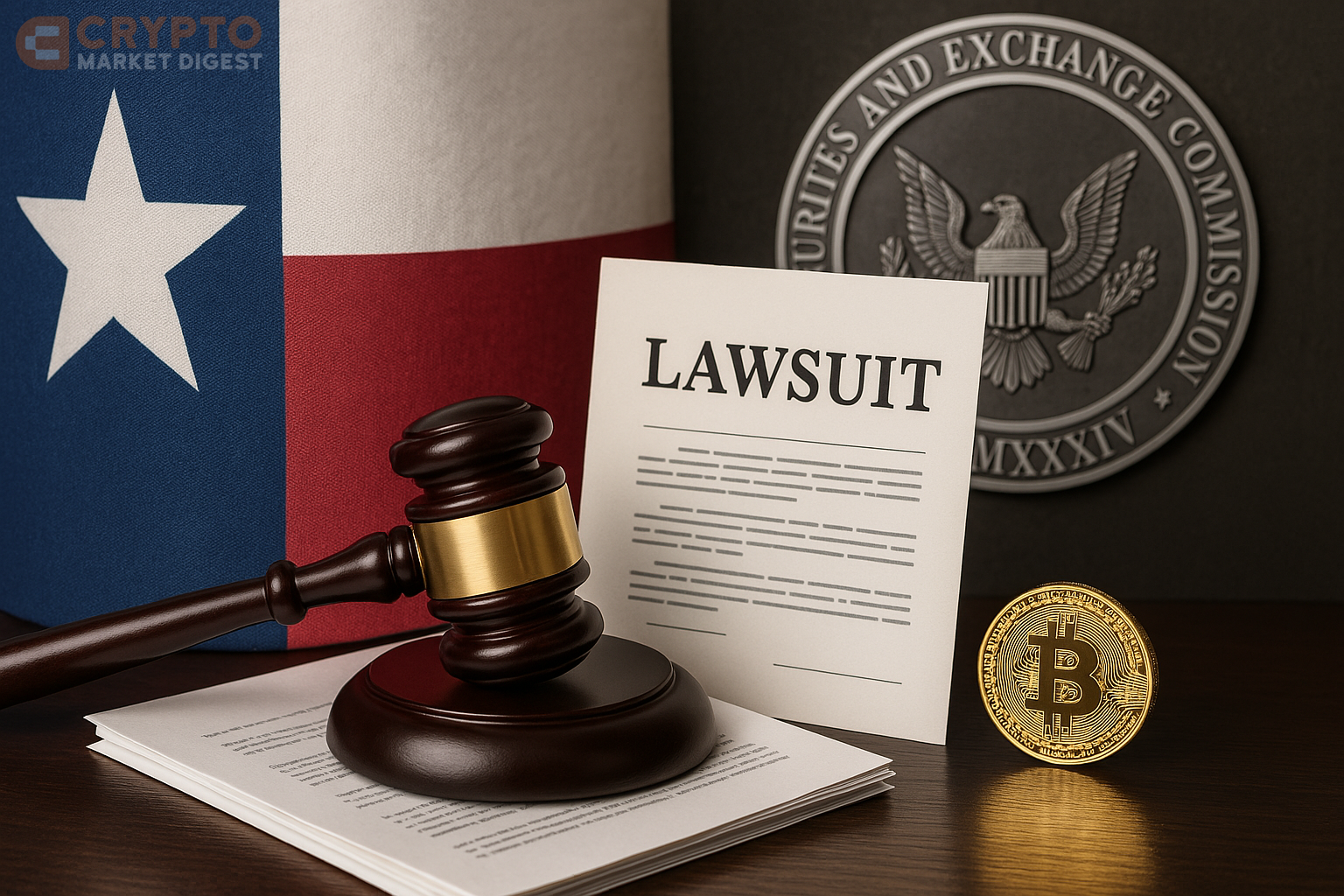
In a bold challenge to regulatory authority, a Texas-based cryptocurrency company has filed a lawsuit against the U.S. Securities and Exchange Commission (SEC), claiming the agency has exceeded its legal boundaries in its approach to digital assets. The lawsuit, filed in the U.S. District Court for the Northern District of Texas, marks another significant escalation in the ongoing tension between the crypto industry and federal regulators.
David vs. Goliath: Lone Star State Firm Takes on SEC
Paradigm Digital Assets, a Dallas-headquartered cryptocurrency trading platform, initiated the legal action on Wednesday, arguing that the SEC has engaged in “regulatory overreach” by attempting to bring digital assets under its jurisdiction without proper congressional authorization.
The company’s founder and CEO, Marcus Winters, didn’t mince words in a statement released shortly after the filing: “What we’re witnessing is an unprecedented power grab by unelected bureaucrats who are determined to regulate by enforcement rather than clear rulemaking. Congress never authorized the SEC to oversee cryptocurrency as securities, and we’re taking a stand not just for our company, but for the entire American crypto industry.”
The lawsuit comes after Paradigm received a Wells notice from the SEC in January, indicating the regulator’s intention to bring enforcement action against the firm for allegedly operating as an unregistered securities exchange, broker, and clearing agency.
Legal Arguments at the Core of the Dispute
The heart of Paradigm’s legal complaint centers on a fundamental question that has plagued the cryptocurrency industry for years: Are digital assets securities, and does the SEC have the authority to regulate them as such?
Paradigm’s legal team, led by prominent crypto attorney Sarah Rodriguez from the law firm Blockchain Advocates LLP, argues that the SEC is attempting to force digital assets into existing securities frameworks that were never designed for this technology.
“The SEC is trying to fit a square peg into a round hole,” Rodriguez explained during a press conference held outside the courthouse. “The Securities Acts of 1933 and 1934 were created decades before blockchain technology was even conceived. The SEC’s attempt to apply these outdated frameworks to digital assets without clear congressional direction violates administrative law principles and exceeds statutory authority.”
The lawsuit specifically challenges the SEC’s application of the Howey Test—a Supreme Court framework from 1946 used to determine what constitutes an investment contract—to crypto assets. Paradigm argues that many digital assets, including those traded on its platform, function as commodities or utilities rather than securities.
Broader Context: Industry-Wide Implications
This case doesn’t exist in isolation. It reflects growing frustration within the crypto industry over what many perceive as regulatory hostility from SEC Chair Gary Gensler’s commission.
Since taking office in April 2021, Gensler has consistently maintained that most cryptocurrencies fall under securities laws. In public statements, he has argued that the existing framework provides adequate protection for investors without requiring new legislation.
“Most crypto tokens are investment contracts under the Supreme Court’s Howey Test,” Gensler said in a January speech at Georgetown University. “Investors buying these tokens are anticipating profits, and there’s a group of entrepreneurs in the middle developing and supporting these projects.”
The timing of Paradigm’s lawsuit coincides with several other legal challenges to the SEC’s authority. Just last month, Coinbase’s petition to force the SEC to respond to its rulemaking petition received a favorable ruling from a federal appeals court, requiring the agency to provide a substantive response.
Industry analyst Miguel Fernandez from CryptoMetrics Research notes the significance of these legal challenges: “We’re seeing a coordinated pushback from the industry that could reshape the regulatory landscape. These aren’t just isolated legal disputes—they represent fundamental questions about how innovation will be governed in America.”
Texas as a Crypto Battleground
It’s not coincidental that this lawsuit originates from Texas. The Lone Star State has increasingly positioned itself as a haven for cryptocurrency businesses, with Governor Greg Abbott publicly declaring his intention to make Texas the “crypto capital of the United States.”
State lawmakers have passed several pieces of legislation recognizing the legal status of digital assets and creating a regulatory sandbox for blockchain companies. Texas has also attracted significant mining operations, particularly following China’s crypto crackdown, due to its relatively low energy costs and business-friendly regulatory environment.
State Banking Commissioner Carlos Mendoza has been vocal about what he sees as federal overreach into areas where states have traditionally held regulatory authority.
“Banking and financial services regulation has historically been a shared responsibility between federal and state authorities,” Mendoza said at a blockchain conference in Austin last month. “When federal agencies like the SEC attempt to unilaterally extend their jurisdiction without proper statutory authority, they undermine this delicate balance of federalism.”
Industry Response and Support
The lawsuit has garnered significant support from cryptocurrency advocacy groups and industry players. The Blockchain Association, a Washington D.C.-based trade association, announced it would file an amicus brief supporting Paradigm’s position.
“This case represents a critical test of administrative power and the limits of regulatory authority,” said Blockchain Association Executive Director Kristin Smith. “Agencies cannot simply declare new jurisdictional authority without congressional action, especially in areas involving innovative technologies that weren’t contemplated when their enabling statutes were written.”
Several prominent crypto companies have also voiced support for the lawsuit, though they aren’t direct parties to the litigation. Coinbase CEO Brian Armstrong tweeted: “Proud to see companies standing up for clarity and reasonable regulation. The industry needs rules of the road, but they need to come through proper channels, not regulatory overreach.”
SEC’s Defense and Counter-Arguments
The SEC hasn’t officially responded to the lawsuit, beyond acknowledging receipt of the complaint. A spokesperson for the agency said, “The Commission will review the complaint and respond in court as appropriate.”
However, based on previous enforcement actions and public statements, the SEC’s position has consistently been that existing securities laws provide adequate frameworks for regulating digital assets. The agency has maintained that when tokens represent investment contracts—where purchasers invest money in a common enterprise with the expectation of profits derived primarily from others’ efforts—they fall squarely within the SEC’s jurisdiction.
Legal experts who support the SEC’s approach point to numerous fraud cases in the crypto space as evidence of the need for robust investor protections.
“The SEC isn’t overreaching; it’s doing exactly what Congress empowered it to do: protect retail investors from securities fraud,” argued Rebecca Thompson, a securities law professor at Columbia University. “The fact that the technology is new doesn’t change the fundamental economic realities of these investments, which often function exactly like securities in all but name.”
What’s Next: Potential Outcomes and Timeline
Legal experts expect this case to move relatively quickly through the court system, though it could still take months before a ruling is issued. If either party disagrees with the district court’s eventual decision, appeals could extend the process significantly.
The case could potentially reach the Supreme Court, especially given the fundamental questions it raises about administrative authority and the application of decades-old legal frameworks to emerging technologies.
Regardless of the outcome, many industry observers believe the lawsuit will increase pressure on Congress to pass comprehensive crypto legislation. Several bills addressing digital asset regulation have been introduced in both the House and Senate, though none have made it to the President’s desk.
“Ultimately, this is a question that requires legislative action,” said former CFTC Commissioner Thomas Carson. “The courts can rule on whether the SEC has overstepped its current authority, but only Congress can provide the comprehensive regulatory framework this industry truly needs.”
Market Reactions
The lawsuit’s announcement had a modest but noticeable impact on cryptocurrency markets. Bitcoin saw a 2.3% increase following the news, while Ethereum gained approximately 3.1%. Analysts attribute this positive movement to hopes that successful legal challenges might lead to more favorable regulatory conditions.
However, market observers caution against reading too much into these short-term fluctuations. “The regulatory environment remains complex and uncertain,” noted financial analyst Sophia Jenkins from Digital Asset Research. “While this lawsuit is significant, it’s just one piece of a much larger regulatory puzzle that will take years to fully resolve.”
For Paradigm and its CEO Marcus Winters, the stakes couldn’t be higher. “We’re fighting for our company’s future, but more importantly, we’re fighting for America’s position as a leader in financial innovation,” Winters concluded in his statement. “If regulators are allowed to exceed their authority without challenge, we risk pushing the next generation of financial technology—and the jobs and economic growth that come with it—overseas.”
As this legal battle unfolds, the cryptocurrency industry will be watching closely, recognizing that its outcome could significantly shape the future of digital asset regulation in the United States.
Stay ahead of market moves!
Beat the crowd to every crypto opportunity with our exclusive, free newsletter delivered daily to your inbox.
By subscribing, you agree to Crypto Market Digest's Terms and Privacy Policy.
Disclaimer:
The information provided on this blog is for informational and educational purposes only and does not constitute financial, investment, legal, or other professional advice. Cryptocurrency investments are highly volatile and carry significant risk. Always conduct your own research and consult with a qualified financial advisor before making any investment decisions. We do not endorse or guarantee the accuracy or completeness of any third-party content linked or referenced on this site. By using this blog, you agree that the authors and publishers are not responsible for any losses or damages resulting from your reliance on the information provided.