Crypto Bombshell: Bybit CEO Exposes Pi Network as ‘Elderly-Targeting Scam’ as Token Plummets 60%
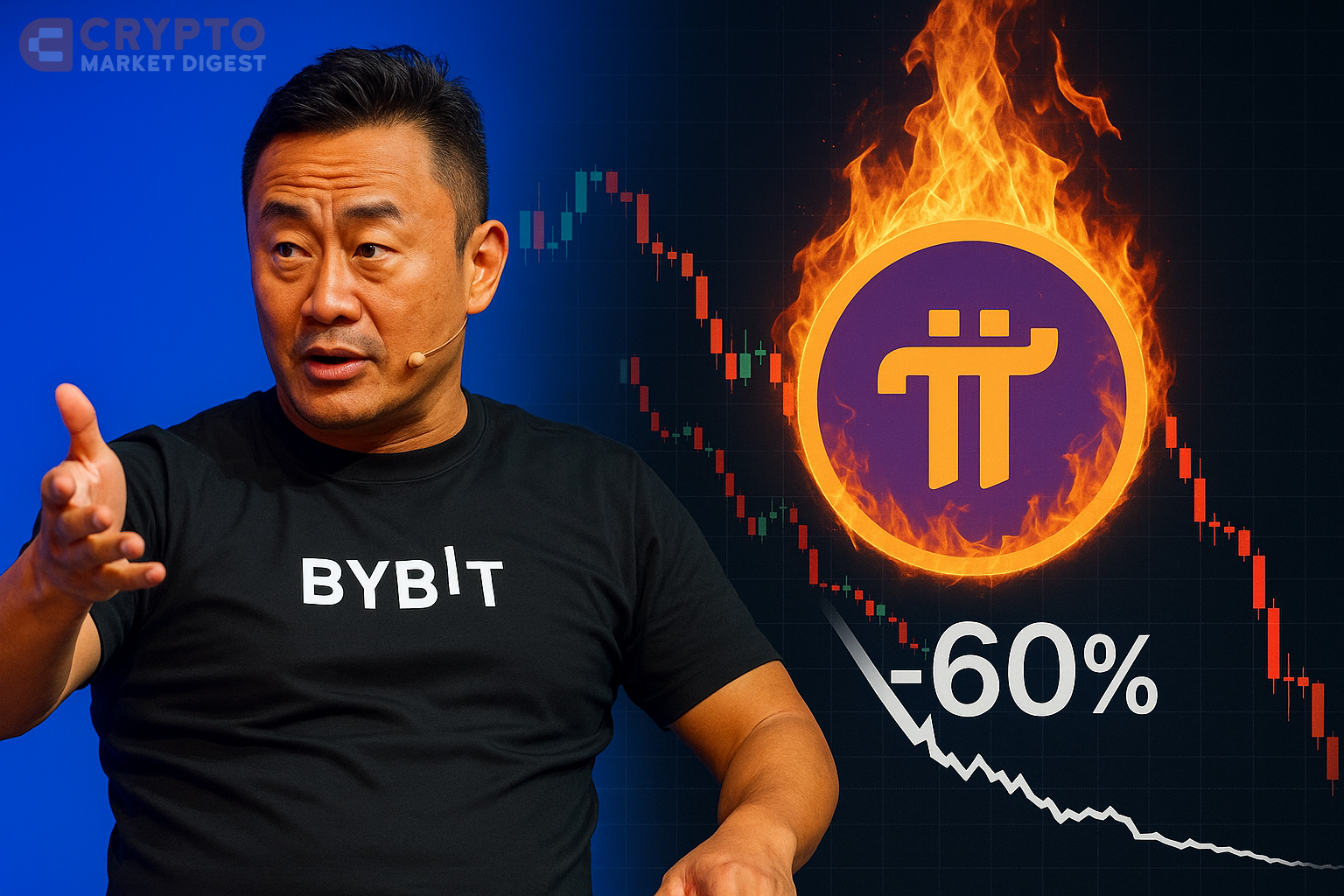
In a shocking development that has sent ripples through the cryptocurrency community, Bybit CEO Ben Zhou has categorically refused to list the Pi Network’s PI token on his exchange, citing alarming evidence that the project may be a sophisticated scam targeting vulnerable populations.
Zhou’s bold statement comes as the newly launched token has experienced a dramatic 60% price collapse, raising serious questions about the project’s legitimacy and long-term viability.
The Damning Evidence
“There are multiple other reports out there questioning the project legitimacy,” Zhou posted on X (formerly Twitter). “Yes, I still think you are a scam, and no, Bybit will not list scam.”
Zhou’s accusations aren’t baseless. He specifically referenced a 2023 warning issued by Chinese police that characterized Pi Network as a scheme deliberately targeting elderly individuals, compromising their personal information, and resulting in pension losses.
“Here is a official police warning of $Pi from Chinese police back in 2023 warning to the public that it’s a scam targeted towards elderly folks which leaks their personal data and loss of their pension,” Zhou stated in his social media post.
Despite reaching out, Pi Network representatives have not responded to requests for comment regarding these serious allegations.
Troubling Launch and Price Volatility
The PI token went live alongside the project’s mainnet release on Thursday. Users who had been “mining” tokens through daily smartphone interactions were finally given the ability to transfer and sell their accumulated assets.
The market response has been chaotic. The token initially debuted on OKX at $0.67, briefly surged to $2, but then crashed dramatically by 65%. At time of writing, PI is trading around $0.69.
Red Flags Raising Eyebrows
Industry experts have identified several concerning aspects of the Pi Network’s structure that bear striking similarities to infamous cryptocurrency scams of the past:
- A referral-based marketing strategy that increases “mining” rewards when users recruit others – drawing comparisons to the Bitconnect Ponzi scheme that collapsed in 2017.
- Token lock-up options promising enhanced rewards for users who commit to three-year holding periods – a tactic reminiscent of the controversial Hex project, whose founder Richard Schueler (known as Richard Heart) is currently a fugitive wanted by the SEC.
Social media influencer CryptoBeast didn’t mince words when addressing their 656,000 followers: “Pi Network is the biggest ponzi [scheme].”
Concerning Valuation Metrics
The token currently boasts a market capitalization of approximately $4.18 billion based on its circulating supply of 6.33 billion tokens. However, its maximum supply cap of 100 billion tokens translates to a fully diluted valuation of an astonishing $67 billion at current prices.
Even more remarkably, at launch, this fully diluted valuation briefly touched $200 billion – nearly double that of established blockchain Solana.
Mixed Exchange Response
Despite the swirling controversy, several exchanges have embraced PI token trading. OKX, Bitget, and Gate have collectively generated $620 million in PI trading volume, according to data from CoinMarketCap.
It’s worth noting that Zhou’s attention has been divided by a separate crisis – his exchange Bybit was reportedly hacked by North Korea’s Lazarus Group for $1.5 billion on Friday.
As this situation continues to develop, crypto investors are advised to approach the Pi Network with extreme caution and conduct thorough due diligence before engaging with the project.
Stay ahead of market moves!
Beat the crowd to every crypto opportunity with our exclusive, free newsletter delivered daily to your inbox.
By subscribing, you agree to Crypto Market Digest's Terms and Privacy Policy.
Disclaimer:
The information provided on this blog is for informational and educational purposes only and does not constitute financial, investment, legal, or other professional advice. Cryptocurrency investments are highly volatile and carry significant risk. Always conduct your own research and consult with a qualified financial advisor before making any investment decisions. We do not endorse or guarantee the accuracy or completeness of any third-party content linked or referenced on this site. By using this blog, you agree that the authors and publishers are not responsible for any losses or damages resulting from your reliance on the information provided.