North Korea’s Crypto Nightmare: Drowning in Billions of Stolen Digital Assets
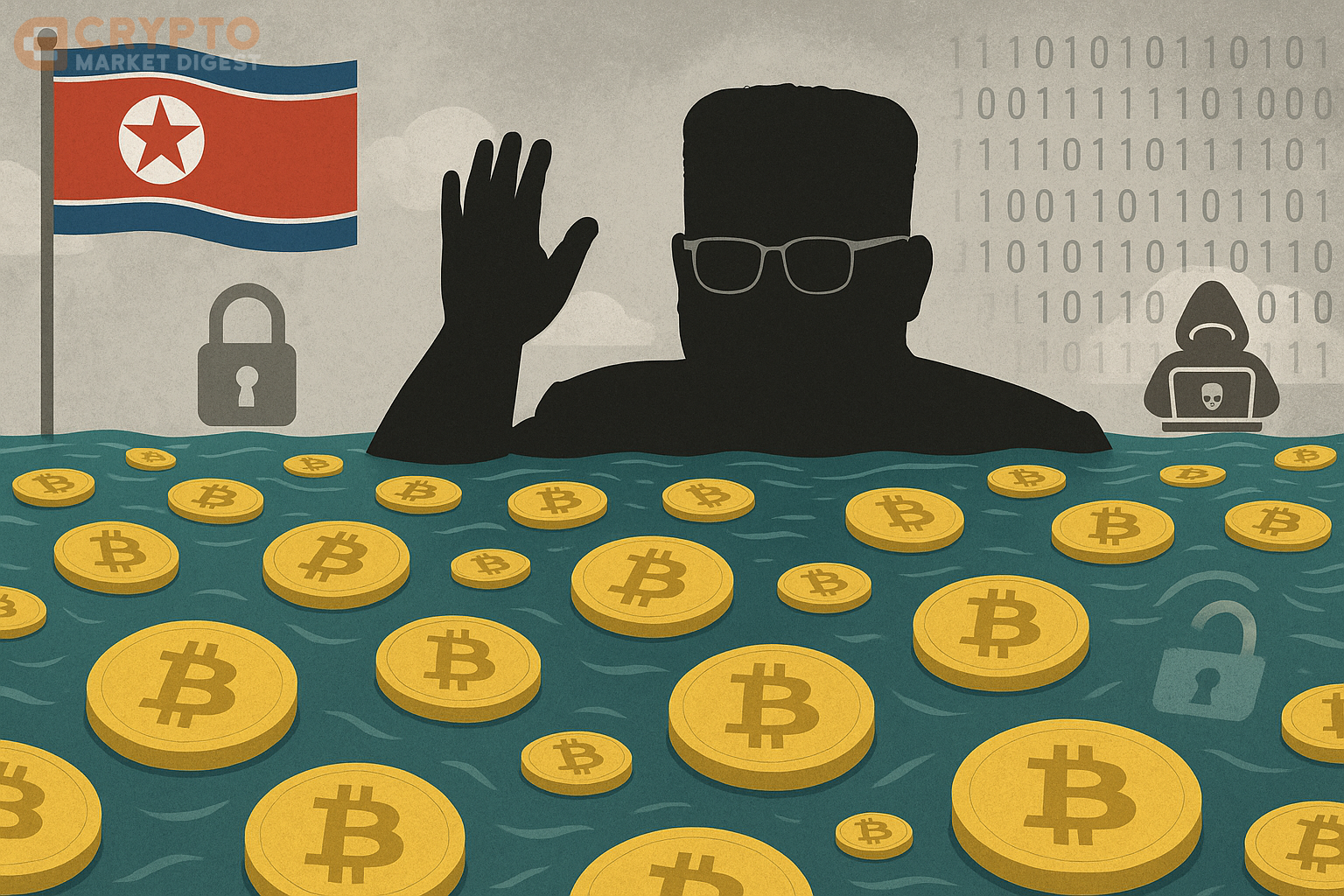
North Korea faces a unique criminal dilemma – they’ve stolen so much cryptocurrency that they’re struggling to convert it into usable cash. With over $5 billion stolen since 2017, including the recent $1.5 billion Bybit hack, the isolated nation has become a major threat in the digital financial world. However, their success has created an unexpected bottleneck in their money laundering operation.
“Think about Pablo Escobar — he had this huge problem with storing cash. He didn’t know where to put it all,” explains Ari Redbord, global head of policy at blockchain analytics firm TRM Labs. “That’s what North Korea has with crypto right now.”
The Hermit Kingdom can’t simply deposit stolen funds into legitimate exchanges like Binance or Coinbase, which implement strict verification procedures and work with law enforcement. Instead, they rely on shadowy over-the-counter (OTC) brokers, particularly in countries with weak financial regulations.
“Everyone uses Chinese money laundering organizations. The cartels use them to move funds. There’s a network there that North Koreans have used for years,” says Redbord, who previously served as a senior advisor to the U.S. Treasury.
But laundering $51 million monthly (the average based on their total haul) overwhelms even these criminal networks. As a result, billions in stolen crypto often sits idle in digital wallets for extended periods.
In the recent Bybit attack, hackers quickly converted most of the stolen ETH to Bitcoin using THORchain, a cross-chain liquidity protocol. They’re now routing funds through mixing services like Wasabi and CryptoMixer to obscure transaction trails. However, these mixers typically process no more than $10 million daily, creating yet another bottleneck.
U.S. agencies, collaborating with Japanese and South Korean authorities, continuously monitor the network of Chinese shell companies North Korea uses. In some cases, American prosecutors have successfully served subpoenas to Chinese banks under provisions of the USA PATRIOT Act, threatening to cut off their access to the U.S. banking system if they don’t comply.
“If any administration would be willing to lean in a little bit, it would probably be this one,” Redbord noted. “Issuing a subpoena to a small or mid-sized Chinese bank is probably something that would be worth doing. It does send a really strong message.”
Stay ahead of market moves!
Beat the crowd to every crypto opportunity with our exclusive, free newsletter delivered daily to your inbox.
By subscribing, you agree to Crypto Market Digest's Terms and Privacy Policy.
Disclaimer:
The information provided on this blog is for informational and educational purposes only and does not constitute financial, investment, legal, or other professional advice. Cryptocurrency investments are highly volatile and carry significant risk. Always conduct your own research and consult with a qualified financial advisor before making any investment decisions. We do not endorse or guarantee the accuracy or completeness of any third-party content linked or referenced on this site. By using this blog, you agree that the authors and publishers are not responsible for any losses or damages resulting from your reliance on the information provided.