SEC at Crossroads: Commissioners Clash Over Crypto Custody Rules
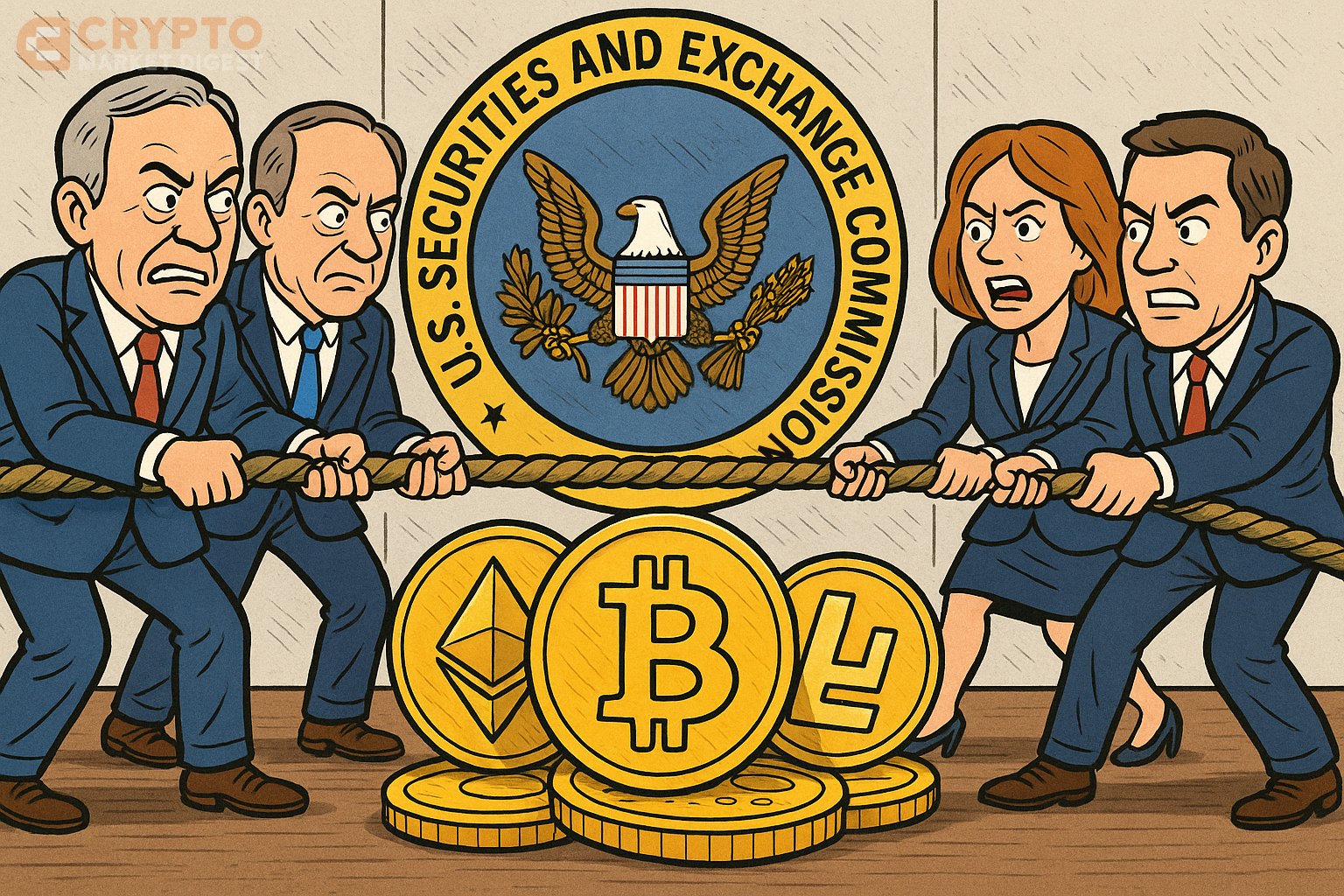
In a watershed moment for digital asset regulation, SEC Commissioners are drawing battle lines over how crypto custody should be handled, with investor protection and innovation hanging in the balance.
Three prominent SEC Commissioners shared sharply contrasting views on crypto asset custody during the Crypto Task Force’s third roundtable in Washington D.C. on April 25. Their comments signal potential regulatory shifts that could reshape how investment advisers handle digital assets.
Uyeda Pushes for Regulatory Clarity
Commissioner Mark T. Uyeda highlighted the urgent need for regulatory certainty, advocating for registered investment advisers to utilize state-chartered limited-purpose trust companies as qualified custodians.
“The position of the prior administration that ‘most crypto assets’ are likely to be funds or securities has led many advisers to shoehorn all client crypto assets into qualified custody, and thereby forego certain investment opportunities that are incompatible with these custodial arrangements,” Uyeda explained.
In a significant statement that could signal future regulatory direction, Uyeda declared: “I agree with Commissioner Peirce that a large number of crypto assets are not securities.”
He noted that further clarification may be needed on whether certain crypto assets constitute “funds” under the Custody Rule, as the term remains undefined in the current framework.
Crenshaw Champions Investor Protections
Taking a more cautious approach, Commissioner Caroline A. Crenshaw emphasized maintaining robust protections, comparing crypto custody to entrusting personal luggage to an airline.
She posed critical questions to roundtable participants: “If the SEC were to create a dual-regime, how do we ensure the crypto regime is as robust as the current regime? Additionally, how could the Commission address increased risks to investors and the broader financial system that may stem from different crypto custody rules?”
Crenshaw highlighted blockchain-specific challenges including smart contract vulnerabilities, hacking threats, and difficulties establishing exclusive control over digital assets. She warned that weakening custody standards without equivalent safeguards could leave investors vulnerable, particularly if custodians face insolvency.
Peirce Advocates for Flexible Innovation
Commissioner Hester M. Peirce, known for her pro-crypto stance, called for more adaptive regulation that acknowledges the unique nature of blockchain technology.
“Our regulatory approach should recognize the differences across crypto assets. Qualified custodians exist for some crypto assets, but for others self-custody might be the safer option,” Peirce stated.
She criticized what she called a “floor is lava” regulatory approach where market participants must navigate unclear and potentially hazardous regulatory terrain. Peirce emphasized that blockchain’s decentralized nature offers investors new control and security opportunities that traditional frameworks should evolve to accommodate rather than resist.
Chairman Paul Atkins also participated in the roundtable, which represents the third such gathering of the Crypto Task Force focused on developing appropriate regulatory frameworks for digital assets.
The contrasting perspectives from these key regulatory figures suggest that the SEC is at an inflection point in determining how crypto custody regulations will evolve, with significant implications for investment advisers, custodians, and investors in the digital asset space.
Stay ahead of market moves!
Beat the crowd to every crypto opportunity with our exclusive, free newsletter delivered daily to your inbox.
By subscribing, you agree to Crypto Market Digest's Terms and Privacy Policy.
Disclaimer:
The information provided on this blog is for informational and educational purposes only and does not constitute financial, investment, legal, or other professional advice. Cryptocurrency investments are highly volatile and carry significant risk. Always conduct your own research and consult with a qualified financial advisor before making any investment decisions. We do not endorse or guarantee the accuracy or completeness of any third-party content linked or referenced on this site. By using this blog, you agree that the authors and publishers are not responsible for any losses or damages resulting from your reliance on the information provided.