Trump’s Bold Tax Vision: Could Tariffs Really Replace Your Federal Income Tax?
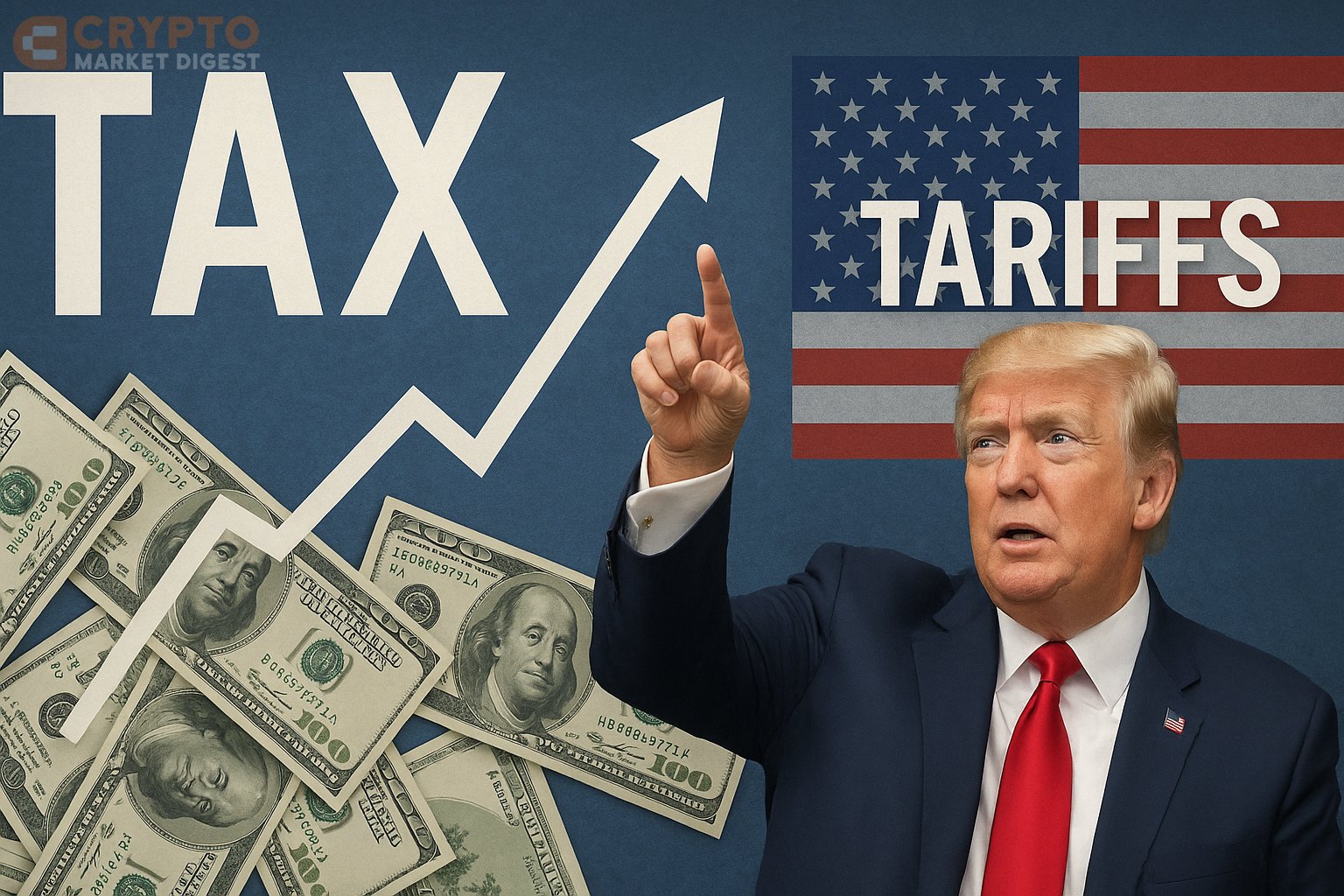
President Trump has doubled down on his ambitious plan to potentially eliminate federal income taxes for millions of Americans, suggesting tariff revenues could fund the government instead. On April 27, in a Truth Social post, Trump stated that federal income taxes would be “substantially reduced” or possibly eliminated completely once his new tariff policies fully take effect.
When Tariffs cut in, many people’s Income Taxes will be substantially reduced, maybe even completely eliminated. Focus will be on people making less than $200,000 a year. Also, massive numbers of jobs are already being created, with new plants and factories currently being built…
— Donald J. Trump Posts From His Truth Social (@TrumpDailyPosts) April 27, 2025
The President specifically mentioned that Americans earning less than $200,000 annually would be the primary beneficiaries of these proposed tax cuts. Trump also referenced what he calls the “External Revenue Service,” indicating his vision of replacing the current Internal Revenue Service (IRS) tax collection model with a system funded primarily through import tariffs.
This concept isn’t entirely new from Trump. During his 2024 presidential campaign, he first mentioned the idea during an appearance on the Joe Rogan Experience podcast. At that time, he suggested that reverting to a tariff-based federal funding model could return America to the economic prosperity of the Gilded Age, when the U.S. operated without a permanent federal income tax.
According to research from accounting automation company Dancing Numbers, Trump’s proposal could potentially save the average American $134,809 in lifetime tax payments. The same research suggested that if other wage-based income taxes were also eliminated, the savings could reach as high as $325,561 per citizen.
On April 2, Trump took his first major step toward implementing this vision by signing an executive order that imposed widespread tariffs on all U.S. trading partners. The order established a 10% baseline tariff on imports from all countries, with additional “reciprocal” rates applied to nations that impose their own duties on American goods.
However, the administration has since adjusted its stance on these tariffs multiple times, creating uncertainty about both the rates and implementation timeline. This inconsistency has contributed to increased volatility in the U.S. stock market and rising bond yields.
Financial analysts have widely criticized these protectionist trade policies, arguing they create market instability while providing few tangible benefits. At the same time, eliminating federal income tax could potentially boost asset prices, including cryptocurrencies, as Americans would have more disposable income to invest – though this stimulative effect remains uncertain.
For now, investors and taxpayers alike are watching closely to see if Trump’s bold vision of an “External Revenue Service” will truly materialize, or if these statements represent more aspirational thinking than concrete policy plans.
Stay ahead of market moves!
Beat the crowd to every crypto opportunity with our exclusive, free newsletter delivered daily to your inbox.
By subscribing, you agree to Crypto Market Digest's Terms and Privacy Policy.
Disclaimer:
The information provided on this blog is for informational and educational purposes only and does not constitute financial, investment, legal, or other professional advice. Cryptocurrency investments are highly volatile and carry significant risk. Always conduct your own research and consult with a qualified financial advisor before making any investment decisions. We do not endorse or guarantee the accuracy or completeness of any third-party content linked or referenced on this site. By using this blog, you agree that the authors and publishers are not responsible for any losses or damages resulting from your reliance on the information provided.