US Congress Gives Crypto Industry Platform to Make Its Case
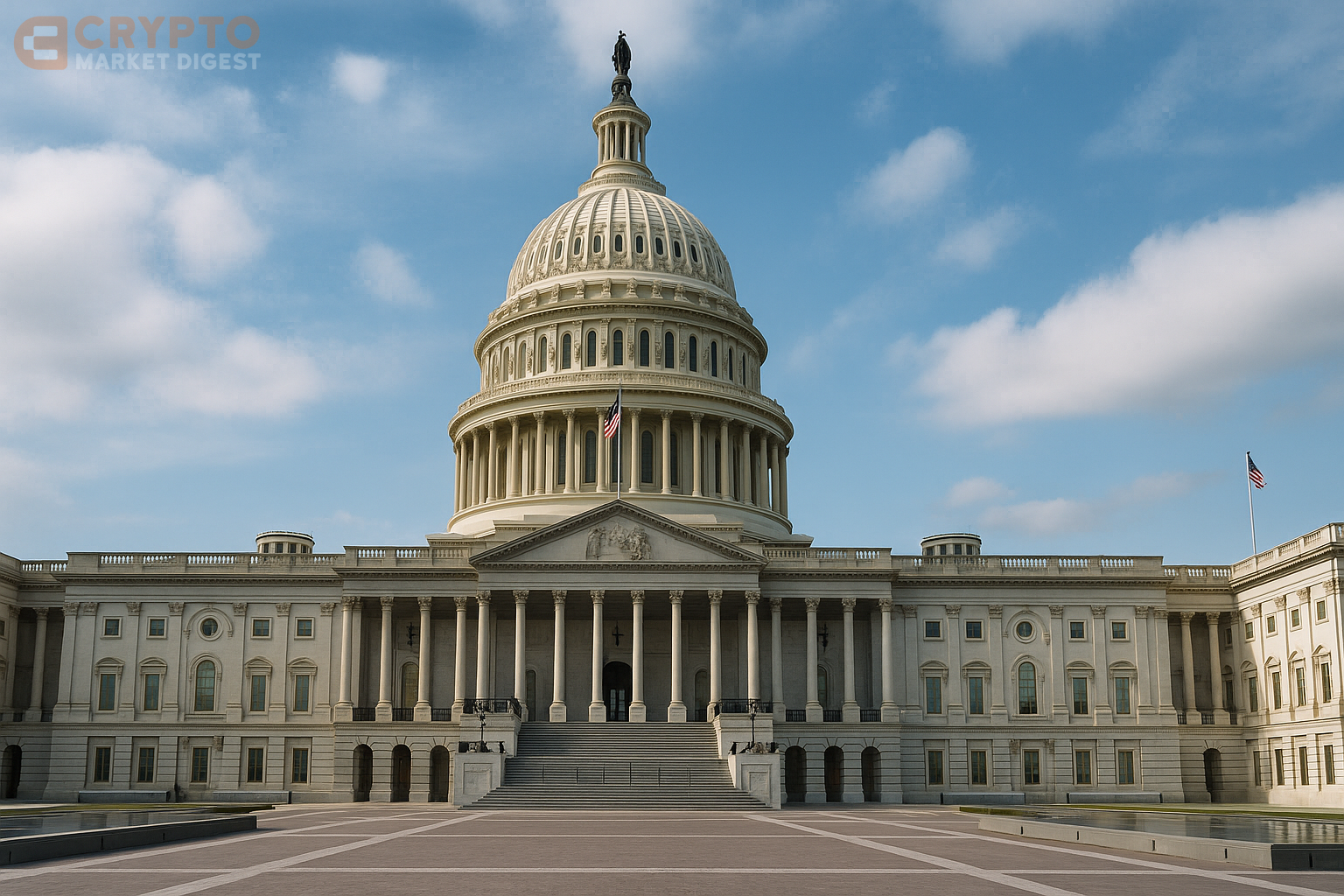
In a hearing entitled “A Golden Age of Digital Assets,” cryptocurrency representatives received a largely positive reception from lawmakers, marking a shift in congressional attitudes toward digital assets.
Key Points:
- Industry advocates urged Congress to pass legislation establishing clear regulations for crypto businesses in the US
- Democratic lawmakers criticized President Trump’s personal involvement in cryptocurrency ventures
- The hearing reflected the crypto industry’s recovery since the 2022 collapses of major platforms
The cryptocurrency industry made a compelling appeal to Congress on Tuesday, urging lawmakers to establish clear legal standards for digital assets in the United States. The hearing, held before the House subcommittee on digital assets, came as the sector enjoys growing support at various levels of the federal government.
Under the Republican-led subcommittee’s optimistic title “A Golden Age of Digital Assets,” industry representatives arrived with significant momentum. The phrase “golden age” was first used by the White House’s crypto czar, highlighting how much the landscape has changed just two years after the devastating collapse of crypto lenders and FTX in 2022.
“Under the Trump administration, we will course correct by creating a workable pathway for responsible digital asset companies to set up operations here in the United States,” said Representative Bryan Steil, the Wisconsin Republican who chairs the subcommittee.
Republican panel members criticized what they described as the “unpredictable and hostile approach” toward cryptocurrency taken by former President Biden’s administration. They noted that some agencies, including the Federal Deposit Insurance Corporation and the Securities and Exchange Commission, are already reversing certain policies from the previous administration.
Jonathan Jachym, global head of policy at US exchange Kraken, emphasized the urgency of legislative action: “There are many issues to debate over the next several years, but we need to move now and put that basic foundation in place.”
Among the witnesses was Timothy Massad, former chairman of the Commodity Futures Trading Commission, who cautioned lawmakers against getting too deep into regulatory details. Massad suggested that the CFTC and SEC, with their technical expertise, should work out the specifics of any new regulations.
The hearing marked the digital assets panel’s first session in the new Congress, though other committees in both chambers have already addressed crypto-related issues such as “debanking.” Earlier on Tuesday, Federal Reserve Chairman Jerome Powell acknowledged debanking as a problem worth exploring and confirmed that the Fed would not pursue a central bank digital currency during his tenure.
While Republicans and industry witnesses criticized the Biden administration’s crypto policies, Democratic lawmakers used the opportunity to question President Trump’s involvement with the memecoin $TRUMP. Democrats characterized it as a “crypto scam” that could present a conflict of interest and potentially violate constitutional provisions against federal officials profiting from their office.
Stay ahead of market moves!
Beat the crowd to every crypto opportunity with our exclusive, free newsletter delivered daily to your inbox.
By subscribing, you agree to Crypto Market Digest's Terms and Privacy Policy.
Disclaimer:
The information provided on this blog is for informational and educational purposes only and does not constitute financial, investment, legal, or other professional advice. Cryptocurrency investments are highly volatile and carry significant risk. Always conduct your own research and consult with a qualified financial advisor before making any investment decisions. We do not endorse or guarantee the accuracy or completeness of any third-party content linked or referenced on this site. By using this blog, you agree that the authors and publishers are not responsible for any losses or damages resulting from your reliance on the information provided.